One of the best things about gardening is figuring out how to get more plants without having to keep buying more plants.
Because plants aren’t cheap anymore.
If I can take a plant I already have and turn it into two, three, or ten more plants, I’m all for it.
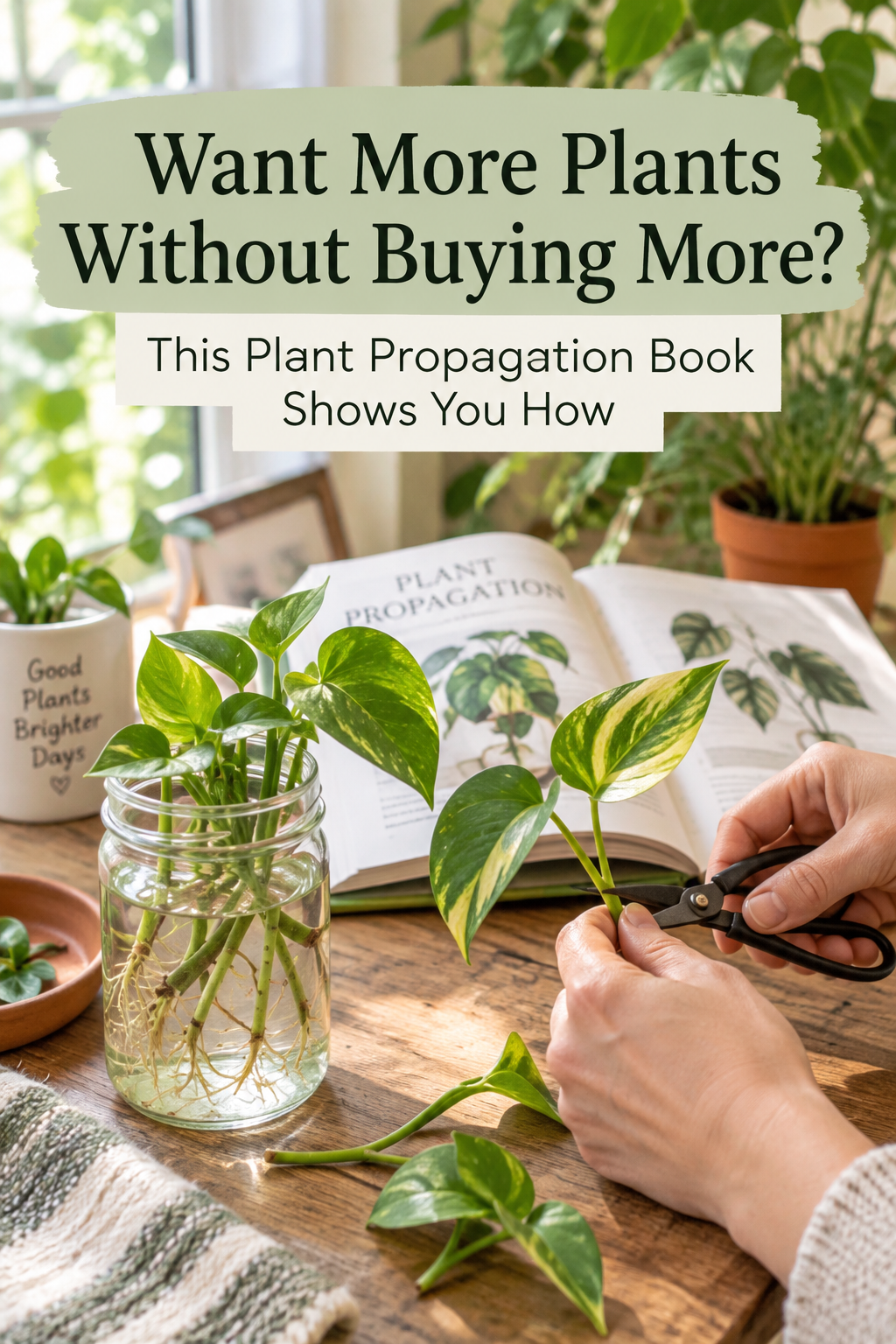
That’s exactly why I was excited when I received a copy of Essential Guide to Plant Propagation: Techniques and Know-How for Propagating All Types of Plants, Indoors and Out from the American Horticultural Society.
And this isn’t one of those gardening books that gives you three paragraphs of instructions and leaves you wondering what in the world you’re supposed to do next.
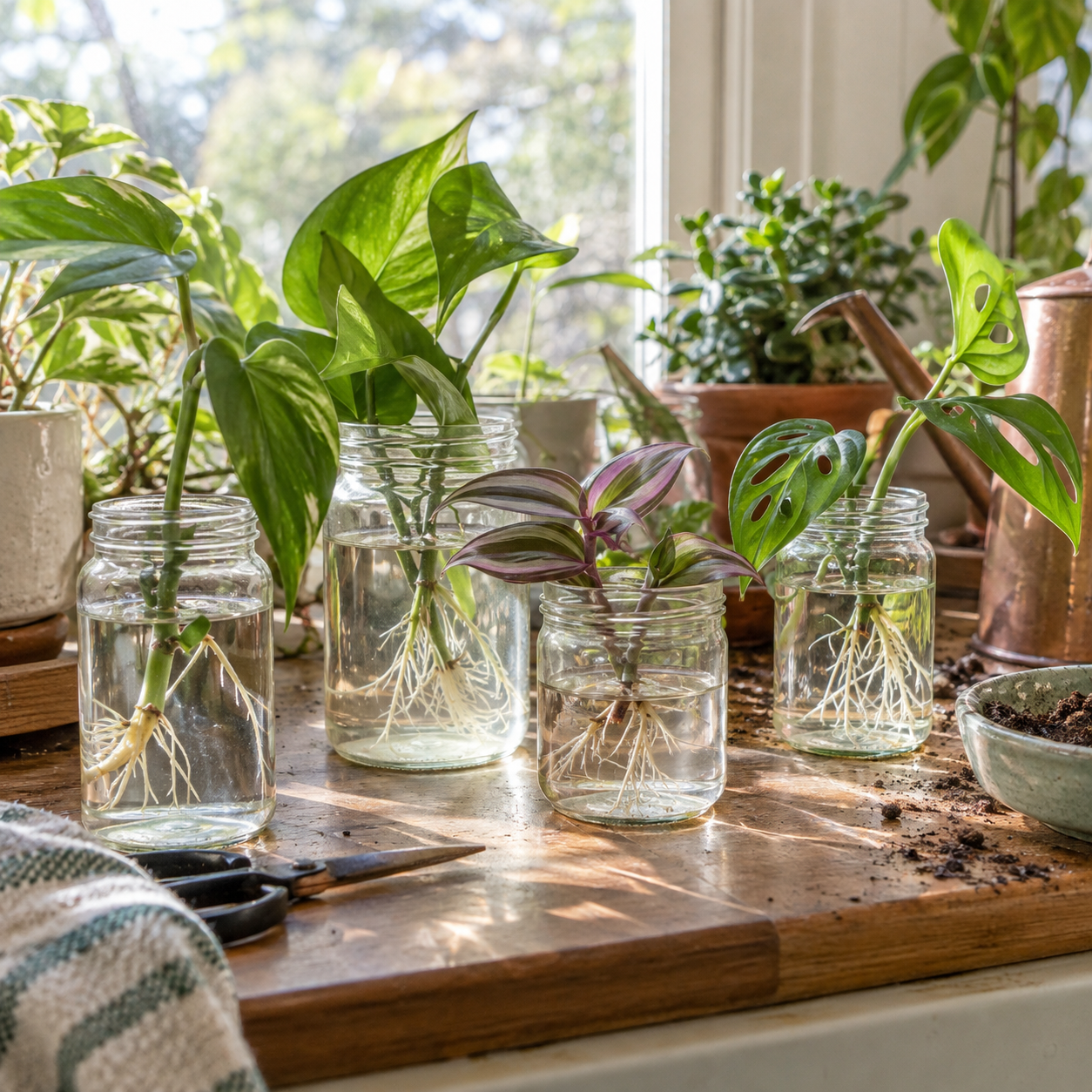
What Is Plant Propagation?
Plant propagation is simply making new plants from plants you already have.
Sometimes that means starting plants from seeds. Other times you might use a cutting, divide an established plant, root part of a plant, layer a stem, or use another method entirely.
If you’ve ever put a cutting in water and waited to see whether roots appeared, you’ve already tried plant propagation.
The problem is knowing which method works best for which plant and how to actually do it successfully.
That’s where this book gets useful.
This Is Much More Than a Book About Plant Cuttings
Essential Guide to Plant Propagation covers more than 35 different propagation techniques, including seed sowing, stem cuttings, root cuttings, leaf cuttings, division, layering, grafting, and more.
There are instructions for both indoor and outdoor plants, so you’re not limited to houseplants or vegetable gardening.
You can use the information for things like:
- Houseplants
- Perennials
- Shrubs
- Trees
- Garden plants
- Plants grown from seed
It also covers the things that can make or break propagation, like timing, growing media, equipment, moisture, light, and the conditions young plants need while they’re trying to get established.
Because taking the cutting is usually the easy part.
Keeping the poor thing alive afterward is where things can get interesting.
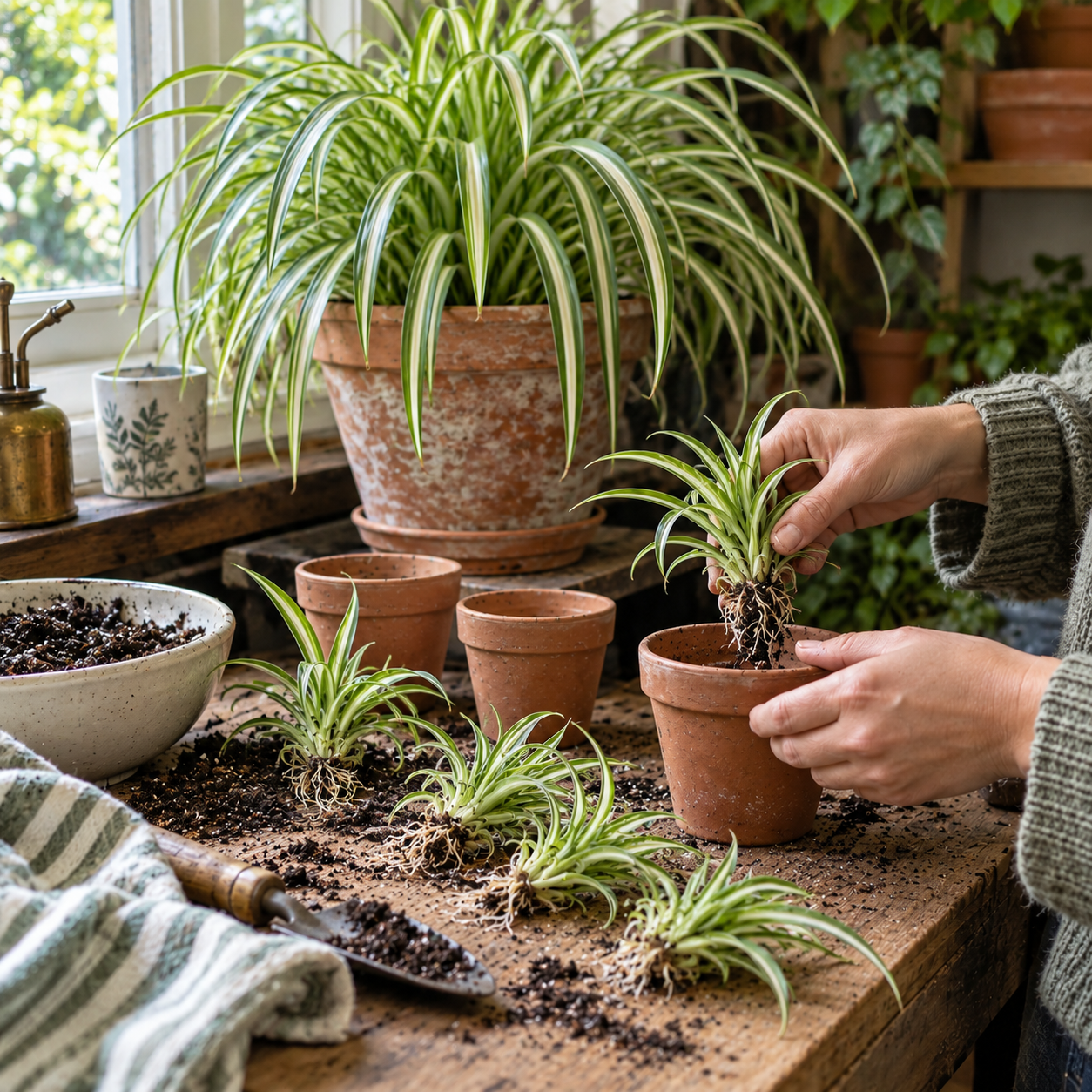
The Photos Make a Big Difference
One thing I really like in a gardening book is being able to SEE what I’m supposed to be doing.
Tell me where to cut a stem and I may still wonder if I’m cutting in the right place.
Show me a picture and suddenly it makes sense.
This book uses step-by-step photo sequences throughout the different techniques, along with hundreds of color pictures.
That’s especially helpful if you’re new to propagation and don’t necessarily know all the gardening terminology yet.
You don’t have to already be an expert to understand what you’re looking at.
It Also Helps When Propagation Goes Wrong
This may be one of the more useful parts because gardening doesn’t always go according to plan.
Anybody who’s gardened for any length of time knows that.
Sometimes cuttings rot.
Sometimes nothing roots.
Sometimes mold shows up.
Sometimes you do everything you thought you were supposed to do and the plant basically says, “Nope.”
The book includes troubleshooting help for problems like rot, mold, and poor rooting, so you’ve got somewhere to look when things don’t work the first time.
And let’s face it, they’re not always going to.
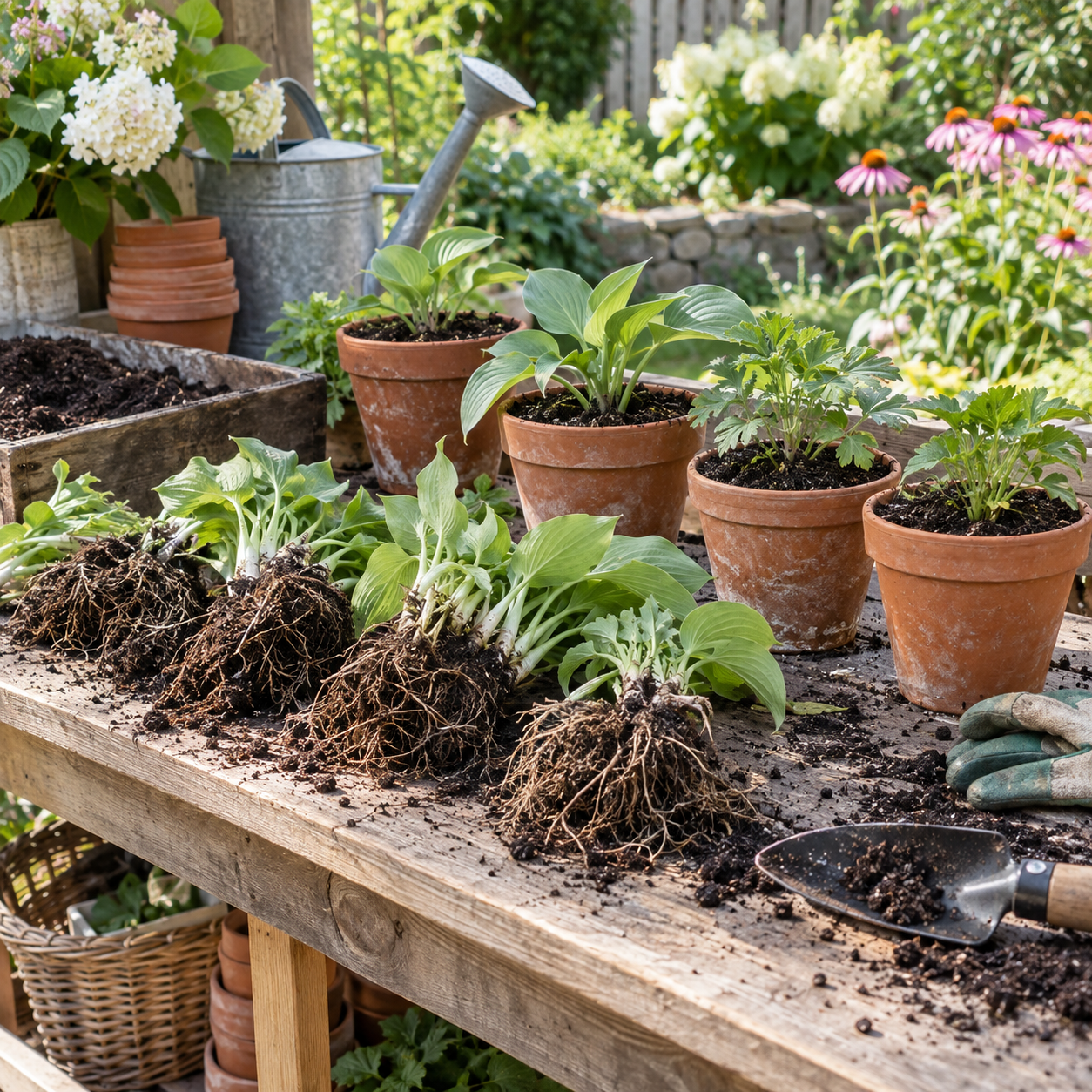
Propagating Plants Can Save A LOT of Money
This is probably my favorite reason to learn propagation.
Once you’ve got healthy plants growing, you don’t necessarily need to buy another plant every time you want to fill another container, garden bed, or empty spot in the yard.
You can make more from what you’ve already got.
You can also share plants with friends and family, trade plants with other gardeners, and keep favorite plants going for years.
If you’ve ever stood at the garden center putting plants in your cart while mentally calculating how much that flower bed is about to cost you, you know why this starts sounding pretty good.
Who Would I Recommend This Book For?
I think Essential Guide to Plant Propagation would be especially useful for gardeners who want to move beyond simply buying plants and putting them in the ground.
It’s a good fit if you:
- Want to save money by growing more of your own plants
- Have plants you’d love to duplicate
- Want to learn how to take cuttings properly
- Have tried rooting plants before without much luck
- Grow both houseplants and outdoor plants
- Like gardening books you can keep and refer back to
It’s also the kind of book that can stay on your gardening shelf instead of being read once and forgotten.
You can pull it back out when you’ve got a particular plant you want to multiply and figure out the best way to go about it.
That’s the kind of gardening book I like. I don’t need something I’m going to read once and never look at again. I want something I can actually use.
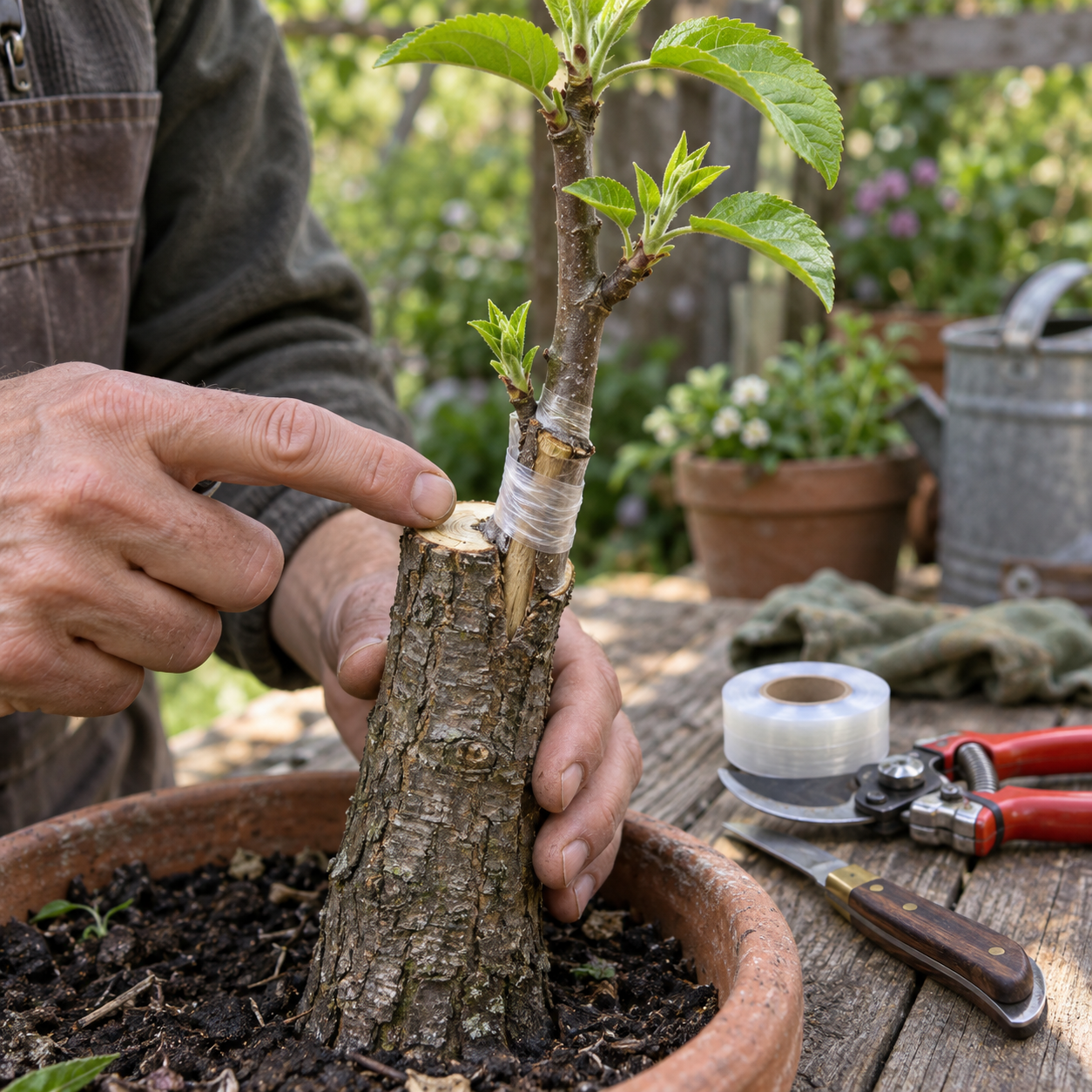
One Plant Doesn’t Have to Stay One Plant
That’s really the fun part of propagation.
One healthy plant can become several plants.
A plant from your garden can become a plant in one of your kids’ gardens.
A favorite houseplant can become several pots.
If you’ve ever bought a tree, you KNOW that can be expensive, but you can propagate your own trees, too.
And a garden you’ve been slowly filling can get filled a whole lot faster without another trip through the garden center checkout line.
Essential Guide to Plant Propagation from the American Horticultural Society officially releases October 6, 2026.
If learning how to make more plants from the ones you’ve already got sounds like your kind of gardening project, this is definitely a book worth checking out.
Check out Essential Guide to Plant Propagation now.
🛒 Shop My Favorite Gardening Finds
Looking for the products and tools mentioned in my blog posts and YouTube Gardening videos?
Visit my Amazon shop to see everything in one place.
Shopping there is free and the site gets a percentage of sales. Thanks!


Leave a Reply