January is when the garden is quiet, but the brain is loud. You stand there looking at the backyard like, okay, this year is going to be different.
And then your knee reminds you it still has opinions. Or your back chimes in like it pays the mortgage. Or maybe you are healing up from something and bending down feels like a dare.
Garden Setup That Works With Your Body
Here’s the thing nobody says out loud enough: a vegetable garden is supposed to fit the gardener. Not the other way around. If the only way to keep up with the garden is kneeling, crawling, and hauling things around like you’re training for a fitness competition, the setup is wrong. Not you.
So instead of talking about quitting the garden this year, let’s talk about building it so you can actually keep going. Not perfectly. Just realistically.
Bring The Work Up
If bending is the problem, the solution’s not to just grit your teeth and bend anyway. The solution is bring the work up to where you can reach it.
A lot of people do raised beds and still end up hurting because the beds are low and wide. Low beds still ask you to bend. Wide beds still ask you to lean, stretch, and twist. None of that’s friendly when your body’s being stubborn.
A simple goal that works for most backyard gardeners is keeping beds narrow enough to reach from the sides. Think about being able to stand there and work without climbing in. If you can reach the middle without leaning like you’re trying to grab something under the couch, you’re in a good range.
Beds At Standing Height
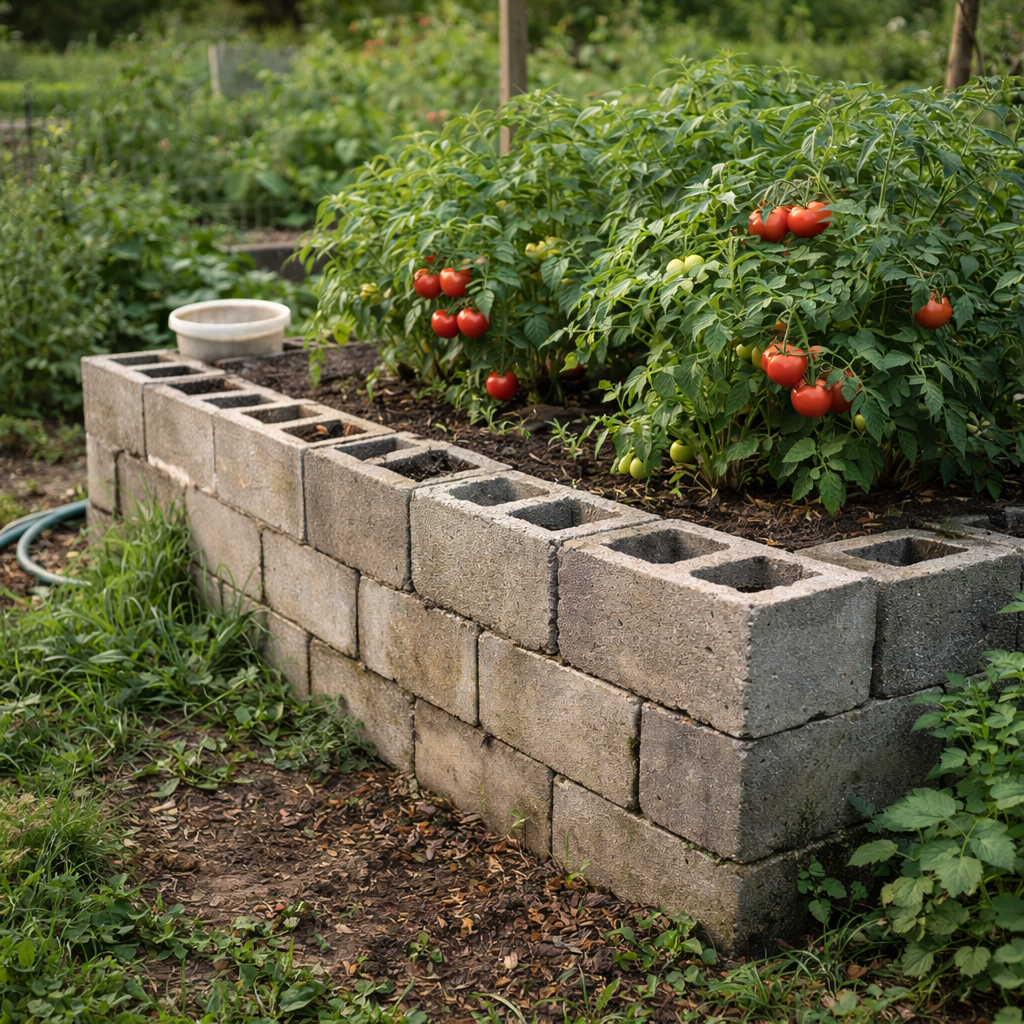
Now let’s talk height. The sweet spot for a lot of gardeners is around 30 to 36 inches, because it keeps you out of the kneeling zone. You’re not crouching. You’re not folding yourself in half. You’re standing there, moving soil, planting, harvesting, and leaving the garden without needing a recovery nap.
And listen, these beds don’t have to be pretty. They have to be sturdy.
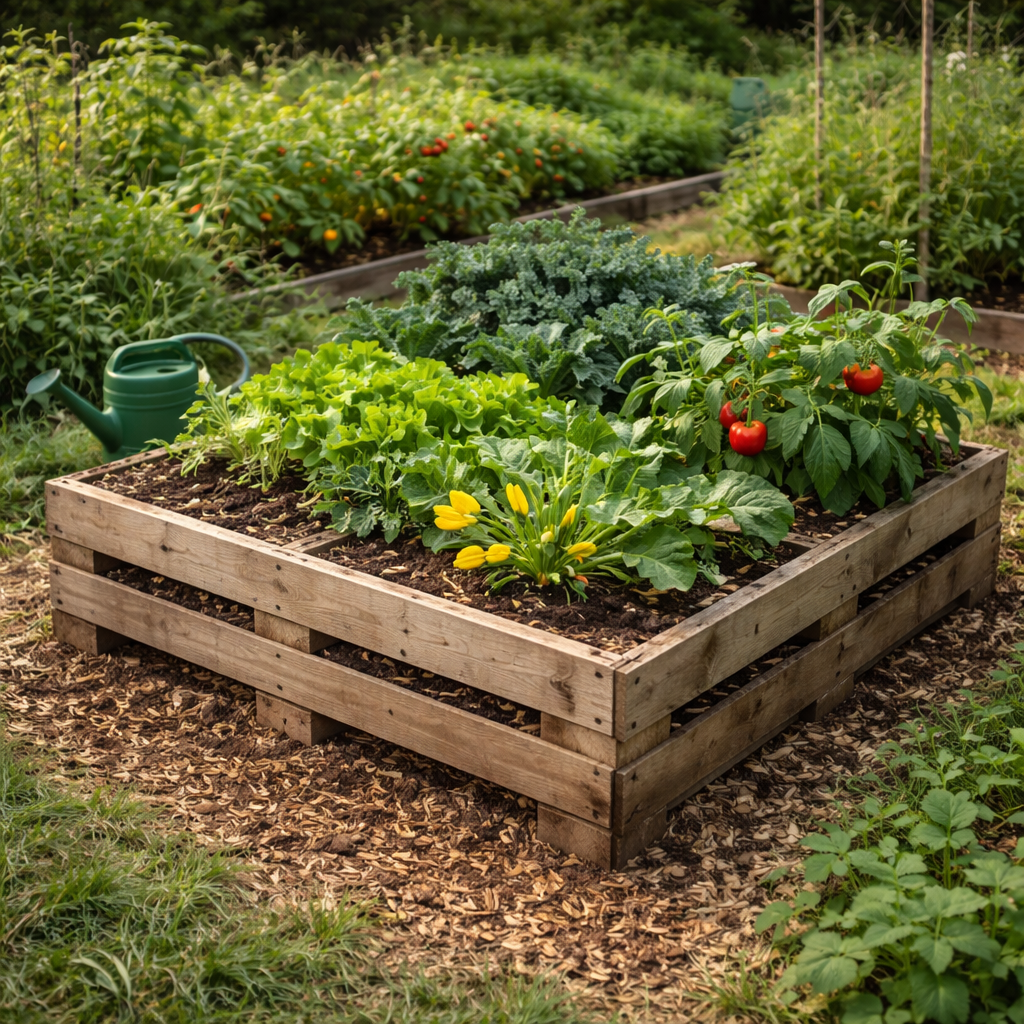
Pallet wood, scrap lumber, old boards, bricks, blocks, whatever you can safely build with, it all counts. If it holds soil, it can grow food. If it is solid enough to last through a season, that is a win. my 2 favorite beds are cinder block beds that are at standing height – another is a huge fabric bag set on top of cinder blocks and pallets. Whatever works, my friend – be kind to your body and you’ll enjoy gardening more.
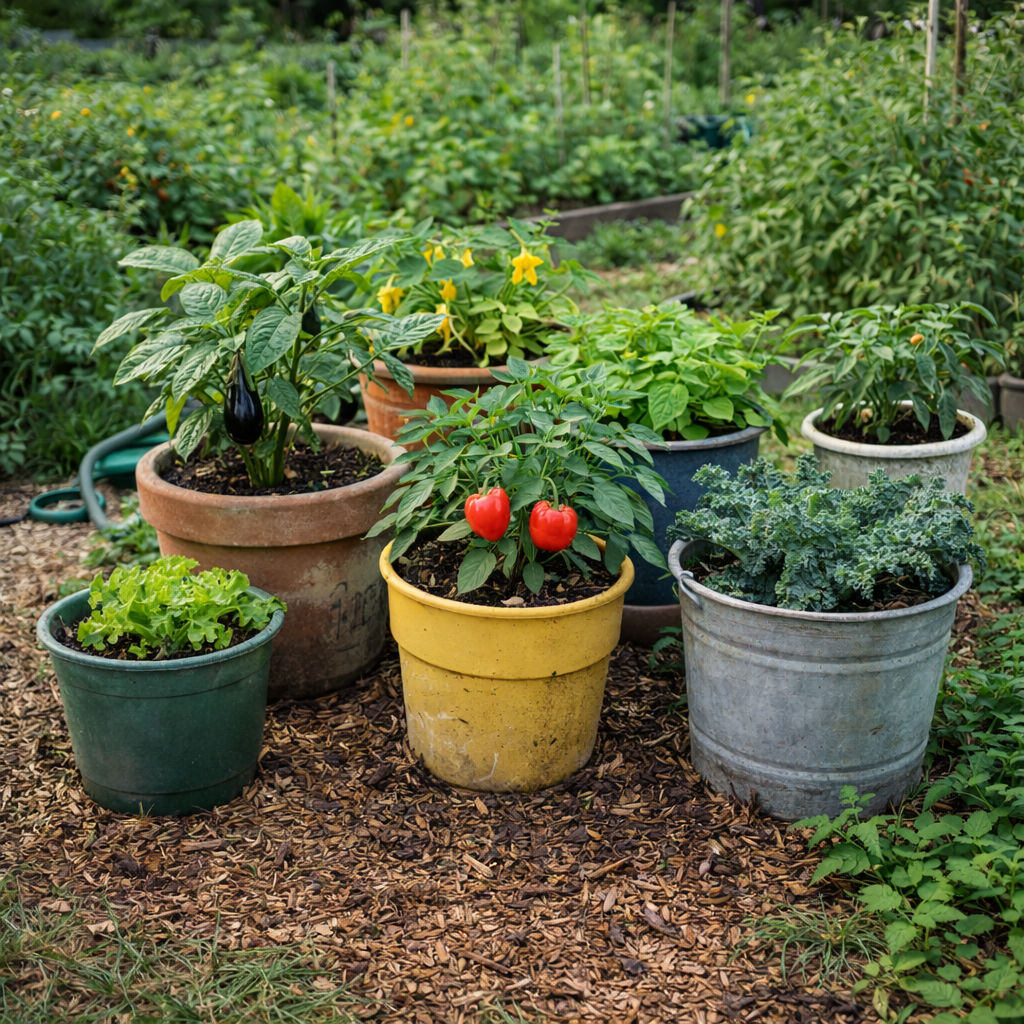
If you want the simplest starting point, even containers can do the job. Big tubs, buckets, and totes can put the plants up higher and keep you from living on your knees. Sometimes the most realistic garden is not the fanciest one. It’s the one you can maintain.
I have buckets and planters in chairs and on tables. My neighber gave me a few old bar ztools and I have planters on top of those, too.
Take your gardening game to the next level with this ultimate Garden Plan Checklist. It’s a must-have tool for anyone looking to create their own beautiful oasis.

Frugal Garden Builds For Dinner, Not Ego
Now, since we’re standing here talking like neighbors, let’s just say it: the internet has made people think they need a magazine garden to grow vegetables.
You don’t.
Vegetables don’t care if your beds match. They don’t care if you bought expensive cedar. They don’t care if the path is lined with decorative stone. They care about sun, soil, water, and somebody showing up often enough to keep them alive.
So if you’re dealing with physical limits, budget limits, or both, the goal is not perfection. The goal is a setup that grows dinner.
I had knee replacement surgery last summer and was unable to do much like I used to in the garden. I moved most of the planters to the front porch, then as I was able to move around better I threw pavers down in the paths so i could walk better on the uneven ground. Whatever work, like I said!
Water Once, Coast Longer
Watering is where a lot of people burn out. If you have to drag a hose around and crouch at every plant every day, that gets old fast. It gets even older when your back is already cranky.
This is where simple self watering ideas shine.
Wicking setups in buckets or totes can keep soil moist longer without daily watering. You fill a reservoir, the soil pulls up moisture, and the plants just keep going. It’s not magic. It’s just less work.
Another low effort trick is slow watering right at the roots. A plastic bottle with holes, buried near a plant, can drip water slowly. You fill it, walk away, and it does the job without you hovering.
And if you’re the kind of person who likes to tinker, rain barrels hooked to gutters can feed water into the garden without you hauling it around. It can be as simple or as fancy as you want. The point is reducing daily strain.
Mulch Matters
Mulch is the best friend of any gardener who doesn’t want to spend their whole season bending down pulling weeds.
If you do one thing to make the garden easier on your body, do this one.
Cardboard laid on the soil and covered with wood chips or leaves helps smother weeds and hold moisture. It also means you’re not out there every other day doing the weed shuffle.
And mulch does not have to cost money.
Leaves from neighbors, free wood chips, straw after seasonal decorations, even plain old yard cleanup piles can become mulch. The goal is thick coverage so weeds have a harder time and the soil stays happier.
Deep mulch is not about being fancy. It is about saving your knees and your time.
I use leaves a lot – they work great – this year I bought some straw (very inexpensive for the size I got) and I love it! It covers so well and I can see if any spots are needing more.
Final Word
If your body is saying no right now, you’re not done gardening. You just need a garden that plays nicer.
Build higher. Keep it reachable. Make watering last longer. Mulch like you mean it. Use what you can find. Skip the ego projects.
Because the best backyard vegetable garden is not the prettiest one.
It’s the one that keeps feeding you, even in the years when your body’s not interested in doing backflips in the dirt.

🛒 Shop My Favorite Gardening Finds
Looking for the products and tools mentioned in my blog posts and YouTube Gardening videos?
Visit my Amazon shop to see everything in one place.
Shopping there is free and the site gets a percentage of sales. Thanks!


Leave a Reply