This guide lists plants and gardening practices that repel or starve pollinators. If you want bees, butterflies, and other beneficials in your yard, avoid these and use the pollinator-friendly alternatives.
These low-pollen, scent-light, and pest-resistant plants are perfect for gardens where you want color without the constant buzz.
Pollinators like bees, wasps, and hummingbirds are often a welcome sight especially if you want your garden to thrive.
These creatures help plants reproduce by transferring pollen grains from one plant to another. That’s why knowing which plants repel bees and other pollinators is important.

10 Plants That Repel Pollinators In Your Garden
When plants are fertilized well, they are able to produce not just the next generation of plants but also the fruits and crops in our garden.
However, there are times when gardeners don’t want certain pollinators to flock to certain parts of their garden. Some people are highly allergic to bees or wasps while some people are easily bothered by the buzzing sounds they make.
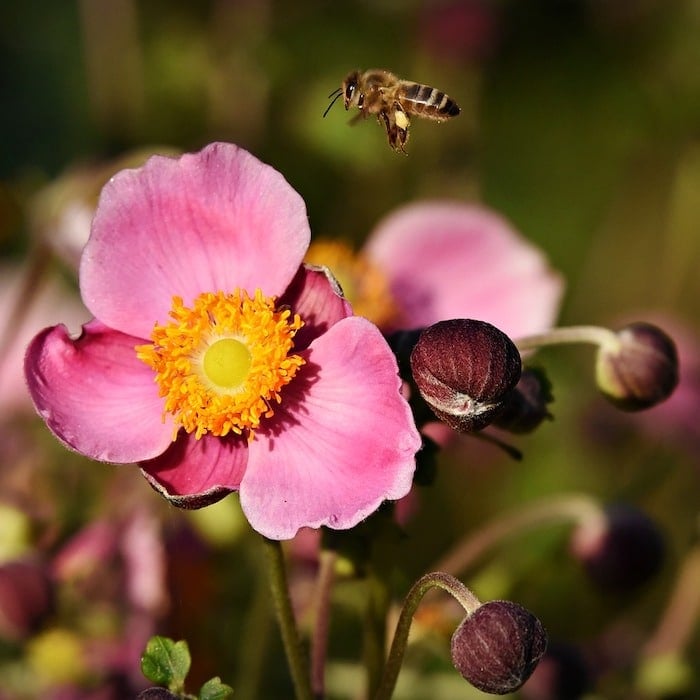
That’s why knowing what plants repel bees and wasps as well as other pollinators will come in handy.
If you want to know what plants NOT to plant in areas where you want pollinators, then this post is for you. Today, we will be talking about ten plants that repel pollinators in your garden. Let’s get started!
1. Cucumbers
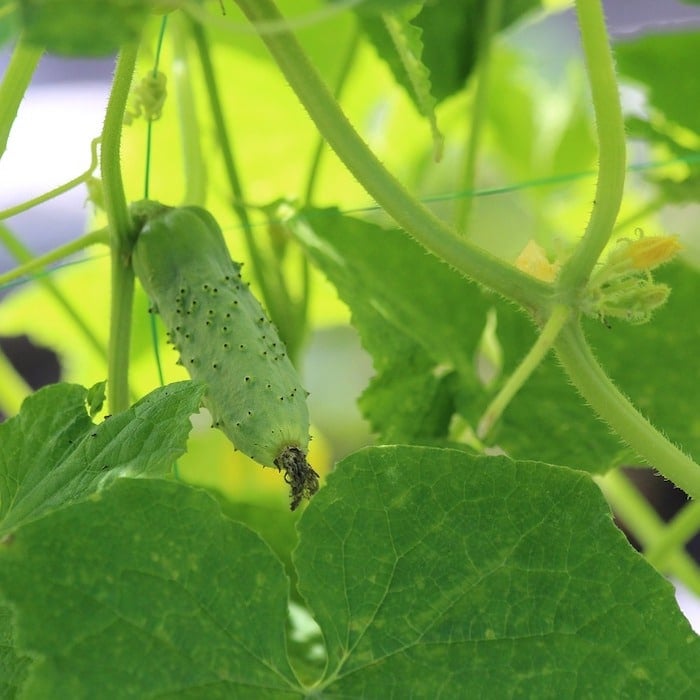
Cucumbers are a refreshing addition to salads. However, if you want to limit the number of bees and wasps in your garden they can also serve you well. The bitterness and acidic nature of cucumber peels help deter these pollinators.
Cucumber plants don’t repel pollinators, but cucumber peels left in the garden do.
You might also like: Using Flowers As Natural Pest Control In The Garden

2. Basil
The sweet, herby, and almost floral scent of basil may be delicious in your pasta dishes but its fragrance put off wasps and bees. It can also serve as a natural pest repellent in your garden.
If you let them bolt or go to seed, then the pollinators will swarm your basil. I usually let at least one of mine go to seed so that it will attract more pollinators to my garden.
Bolting or going to seed means that you let the plant flower and produce seeds for saving. Once that happens, for most plants, it makes the fruit or herb less palatable.
3. Geranium
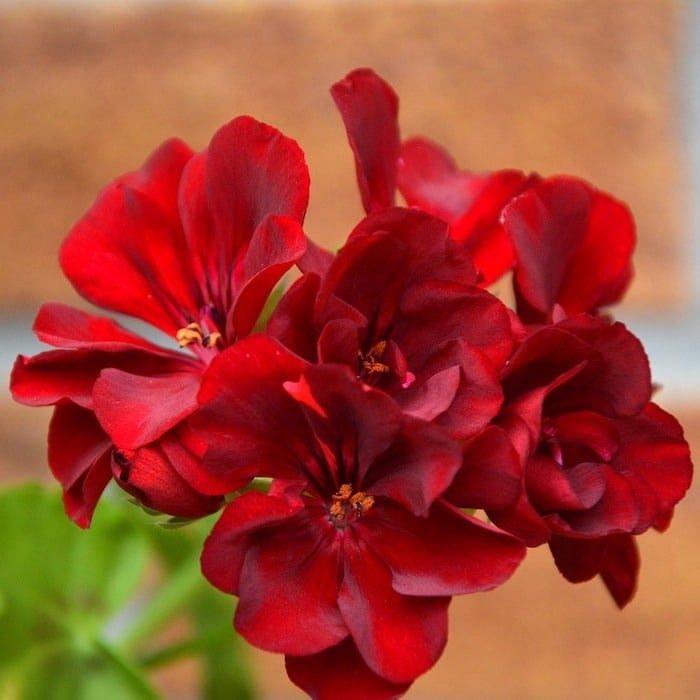
Red geraniums will definitely limit bees in your garden. The red variety, in particular, is hard to detect for bees because of their color.
These flowers also have little to no pollen and a scent that bees do not like. Making it one of the most the best plants to repel bees and wasps.
4. Mint

Noted for its refreshing scent and cooling mouthfeel, it’s a common sight in many herb gardens. Apart from adding a kick to cocktails and beverages, mint can also repel bees because of its scent.
So if you were wondering if mint repels bees and other pollinators it in fact does.
5. Citronella
If you wanted to know if citronella will repel bees the answer is yes. Citronella is more popular for its ability to repel mosquitoes.
But, the lemony scent of this plant is also unpleasant for pollinators like bees and wasps. Making this one of the most common plants that repel bees and mosquitoes.
6. Marigolds
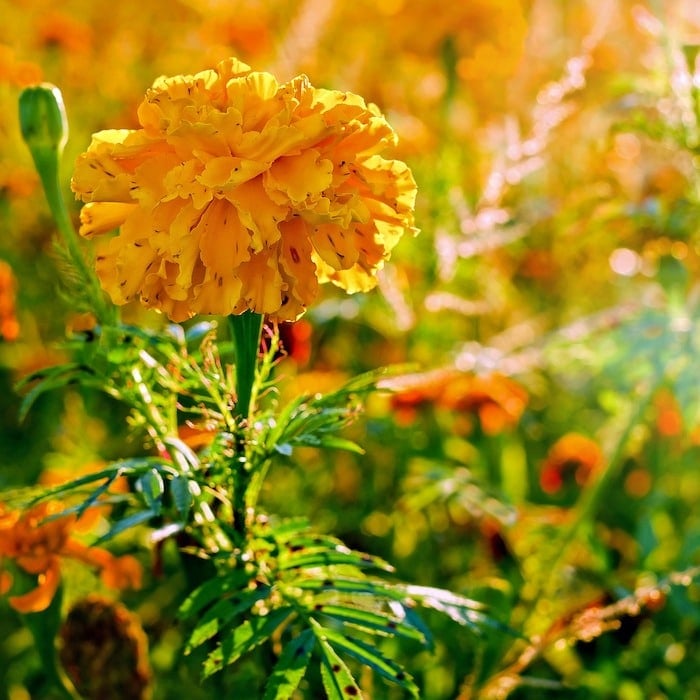
If you ever asked yourself do marigolds repel bees the answer is yes. Most marigolds are double flowers, which makes it more difficult for bees to get to the pollen.
Plus, they produce a strong odor that bees tend to avoid. Making them one of the top flowers that repel bees and wasps.
7. Roses
Much like geraniums, red roses are undesirable for bees. The compound buds make it difficult for bees to navigate and gather pollen effectively.
You might also like: How To Grow A Pollinator Garden And Plants That Attract Pollinators
8. Lemongrass
If you were wondering does lemongrass repel bees the answer is yes, it’s another lemon-scented plant that bees and wasps hate. Its strong odor may be pleasant for us humans but it is unbearable for some pollinators.
Making it one of the top outdoor plants that repel bees and wasps as well as other pollinators.
9. Thyme

Much like basil, thyme is an easy-to-grow herb that can be found in many herb gardens. Not only does it add a wonderful flavor to roast chicken and soups but it is also a helpful insect repellent.
However Thyme can also stave off bees and wasps and keep them out of your garden meaning your other plants may not get pollinated. Making this one of the most popular herbs that repel bees and other pollinators.

10. Eucalyptus
Eucalyptus leaves may be a staple food for koala bears but its scent is off-putting for wasps and bees. Furthermore, the acidic properties of its fruit is also a deterrent for certain pollinators.
The bee population is waning as it is, so it’s best to keep plants that repel bees and other pollinators out of any areas where you need them.
Can you think of any other plants that are better planted away from your plants that need pollination? be sure to leave them in the comments below, I’d love to add them.
🧠 FAQ
Do I have to remove everything on this list?
No. Focus on avoiding these plants when re-doing beds or filling new containers. Pollinator-friendly gardening is about balance, not ripping everything out overnight.
Are marigolds bad for pollinators?
Not all marigolds are a problem. Some sterile double varieties don’t offer nectar or pollen, but single-petaled marigolds still attract bees and butterflies. Stick to simple heirloom types.
When can I spray for pests without hurting bees?
If you’re dealing with outdoor garden pests, use gentle, bee-safe options like these:
👉 7 Homemade Plant Sprays For Your Outdoor Garden
Always spray after sunset or early morning when pollinators aren’t active, and avoid spraying during bloom.
🪴 Call to Action
Need help figuring out what’s safe to plant and spray?
Grab your free printable: Garden Plan Checklist

Looking For More Help In The Garden? Try These:
- Homemade Bug Spray For Indoor Plants
- What Herbs Grow Well Together In The Same Container?
- Growing Vegetables In Potting Soil Bags Is Fun
- How Much Potting Soil Do I Need?
- True Low Light Houseplants
- How To Amend Raised Bed Soil
- Sunburned Plant Leaves – How To Avoid It
- Learn How To Grow Food
- Best Gardening Apps
- Homemade Vermicomposting Bin
🛒 Shop My Favorite Gardening Finds
Looking for the products and tools mentioned in my blog posts and YouTube Gardening videos?
Visit my Amazon shop to see everything in one place.
Shopping there is free and the site gets a percentage of sales. Thanks!


Leave a Reply