If a garden suddenly starts struggling, it’s not random.
Leaves don’t turn yellow for no reason.
Plants don’t stop growing just to be difficult.
Holes don’t show up overnight without something causing it.
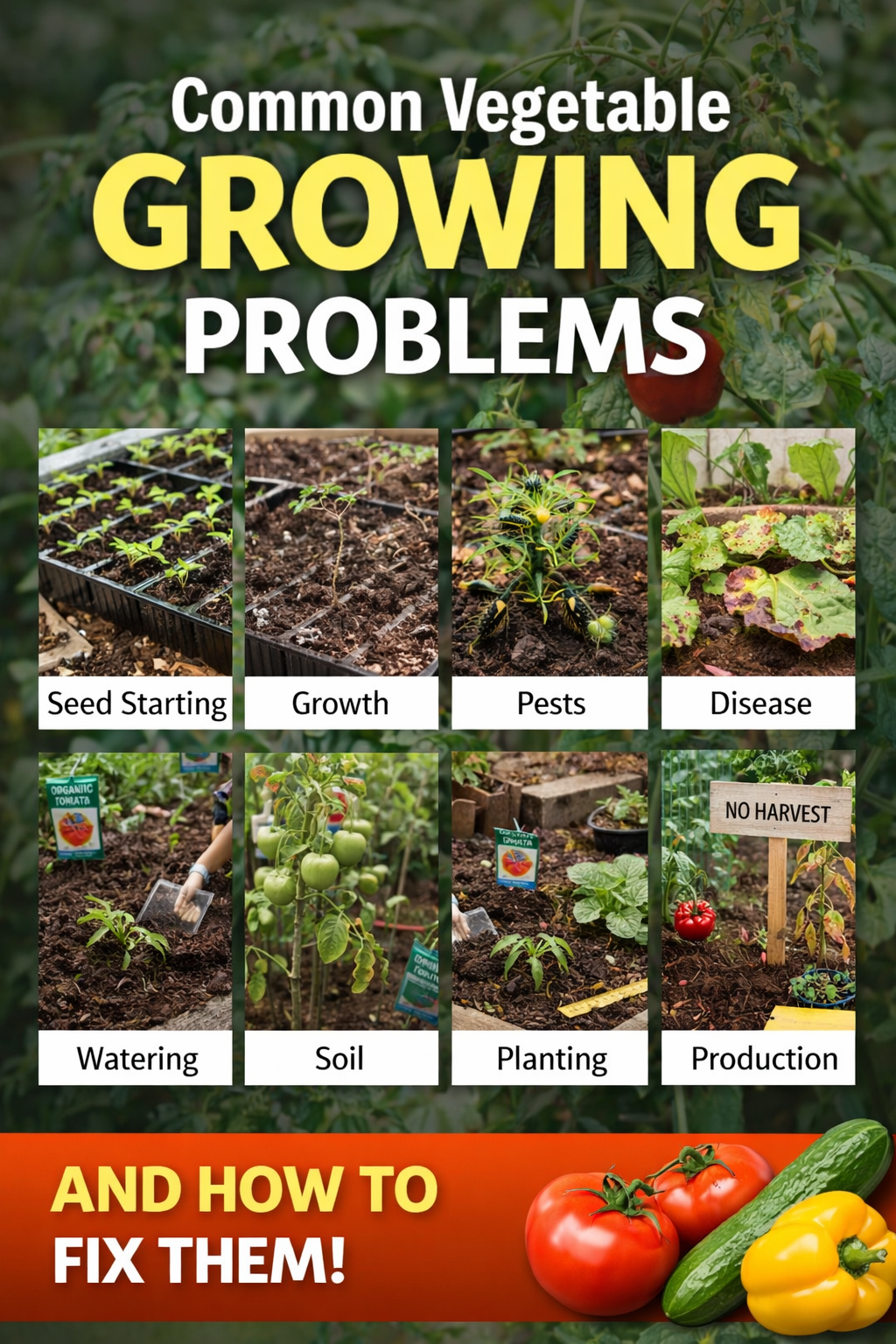
27 Vegetable Garden Problems That Ruin Gardens (And How to Fix Them)
There’s always a reason.
And once you know what you’re looking at, fixing it gets a whole lot easier.
This isn’t a guess-and-hope list.
This is how to look at what’s happening… match it to the problem… and fix the right thing first.
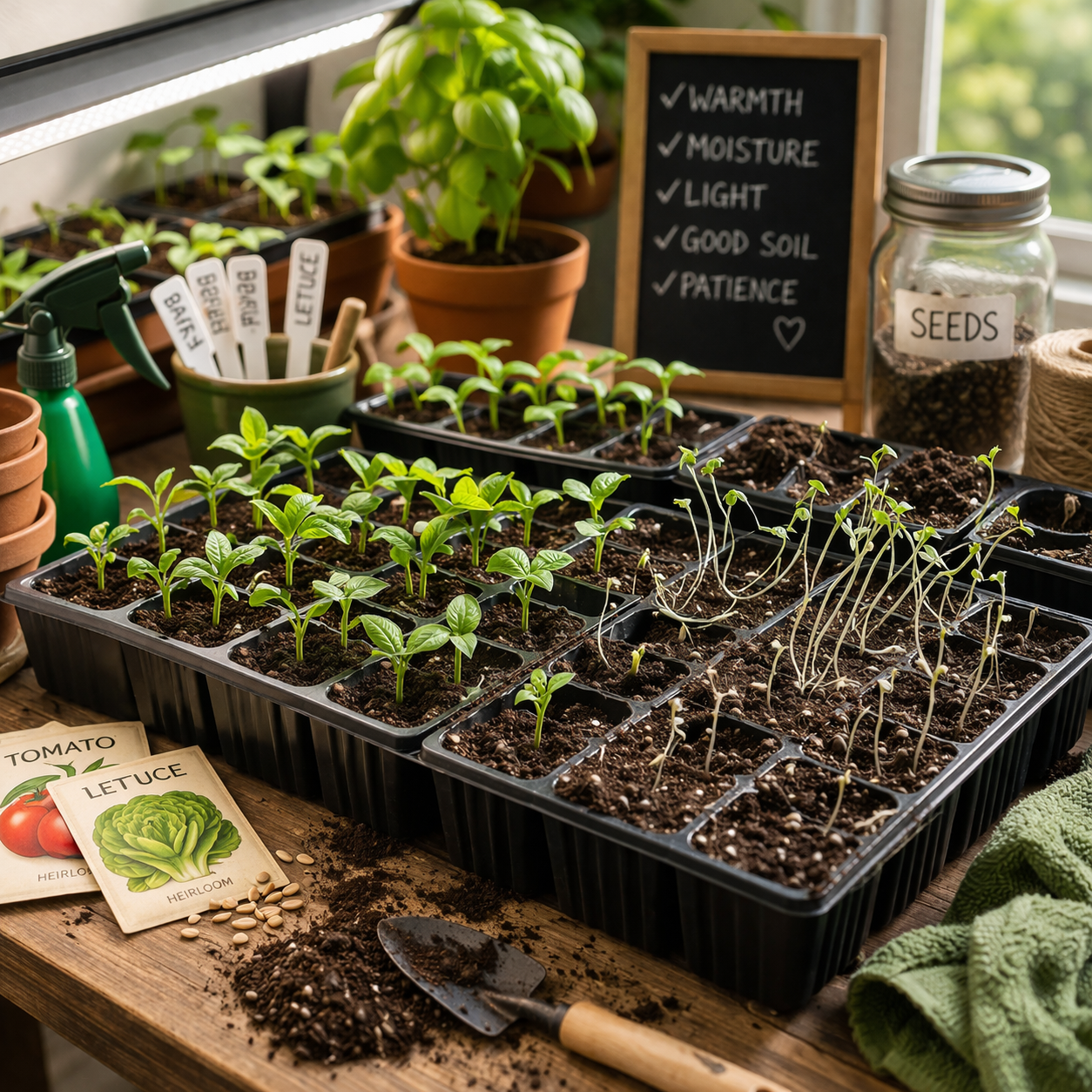
Seed Starting Problems
1. Seeds Aren’t Germinating
This is usually the first frustration.
You plant everything exactly like you’re supposed to… then nothing comes up.
Most of the time, it’s not the seeds being stubborn.
It’s one of three things: soil temperature, moisture, or seed quality.
If the soil is too cold, they won’t wake up. If it’s too wet, they rot. Too dry, they stall out.
👉 7 Reasons Your Seeds Aren’t Germinating (And How to Fix It)
If this keeps happening, grab the Seed Starting Setup Checklist so nothing gets missed.
And if things are already going sideways, the Seed Starting Emergency Fix Guide walks through exactly how to recover them.
2. Seedlings Suddenly Fall Over
This one feels brutal.
They look fine one day… then the next morning they’re flat.
That’s damping off, and once it starts, it moves fast.
It thrives in still air and constantly wet soil.
👉 Why Seedlings Suddenly Fall Over (Damping Off) and How to Stop It
A quick check of your temps using this Seed Germination Temperature Chart can prevent it.
3. Seedlings Are Tall and Floppy
If they’re stretching and falling over, they’re not thriving… they’re reaching.
Light is too far away or too weak.
They’re trying to survive, not grow.
👉 Why Your Seedlings Get Tall and Floppy (Leggy Seedlings)
Lower the light, increase the intensity, and they’ll start thickening up fast.
4. Seedlings Turning Yellow
This one makes people panic, but it’s usually fixable quickly.
Yellowing early on almost always comes back to water or nutrients.
Too much water suffocates roots. Not enough nutrients leaves them weak.
👉 Why Your Seedlings Turn Yellow (And How to Fix It Fast)
Keeping track of what you planted and when helps more than people expect. That’s where something like a Seed Inventory actually comes in handy.
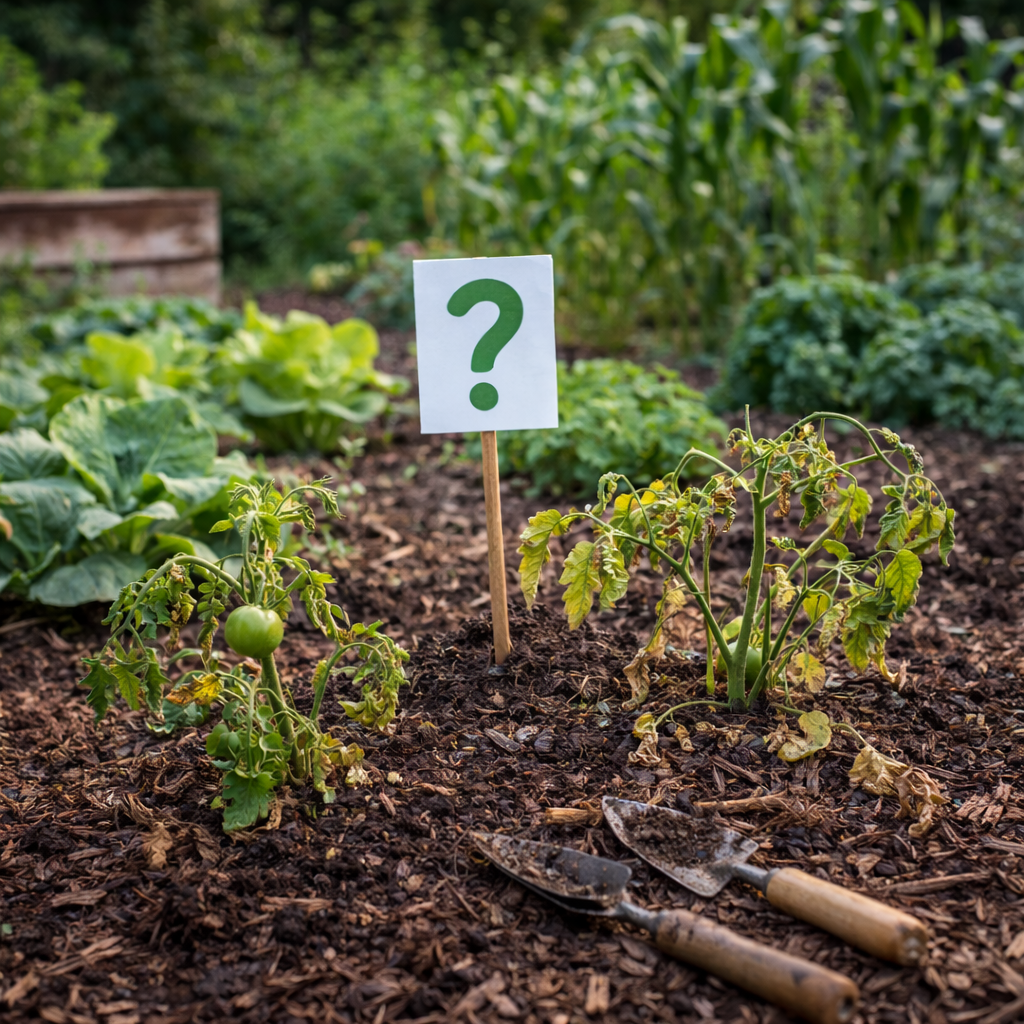
Growth Problems
5. Plants Not Growing
This is one of the most frustrating ones.
Everything looks fine… but nothing is happening.
That usually means the roots aren’t happy.
And if the roots aren’t happy, the plant won’t move.
👉 Your Soil Might Be ‘Dead’ – Here’s How to Revive It
Fixing the soil fixes a lot of problems all at once. The Soil Health Cheat Sheet makes it simple to see what’s missing.
If the garden keeps underperforming no matter what, What’s Holding Your Garden Back helps pinpoint the exact issue.
6. Leaves Curling
Curling leaves are a stress signal.
Heat, inconsistent watering, or nutrient imbalance can all cause it.
👉 How Nutrient Deficiency In Plants Affects Them
If feeding feels confusing, this Free Fertilizer Guide makes it a lot easier to match what plants actually need.
7. Plants Wilting in Heat
They look dead in the afternoon… then fine in the evening.
That’s heat stress, not always lack of water.
👉 How To Prevent Sunburned Plant Leaves
If heat keeps throwing everything off, the Common Gardening Troubleshooting Guide can help narrow down whether you’re dealing with stress, sun damage, watering issues, or something else.
And if the whole garden seems off and nothing looks quite right, Garden Problem Solver is the better next step.
8. Burned Leaves
Crispy edges usually mean too much sun or sudden exposure.
👉 How To Prevent Sunburned Plant Leaves
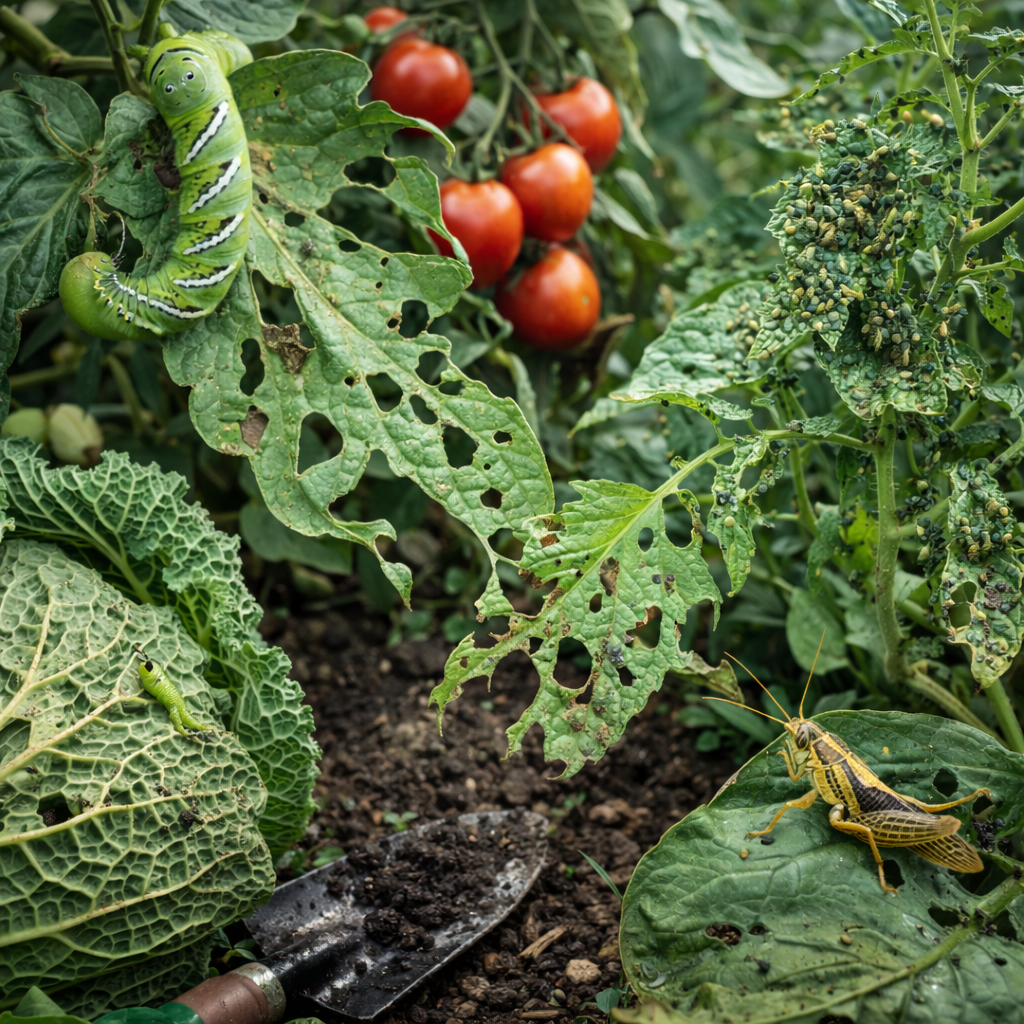
Pest Problems
9. Holes in Leaves Overnight
If leaves are disappearing fast, something is actively eating your garden.
The key is identifying it before treating it.
👉 Garden Pests: Identify What’s Eating Your Plants (and Fix It Fast)
Once you know what you’re dealing with, these DIY Plant Sprays For Pests can help without wiping everything out.
And if you don’t want to guess at all, the Garden Problem Solver walks through symptoms step-by-step.
10. Aphids Everywhere
Sticky leaves and clusters usually mean aphids.
They multiply fast, so early action matters.
👉 Aphids: How To Identify & Get Rid Of Them
11. Spider Mites
Tiny webs and dull-looking leaves are the giveaway.
👉 How to Deal with Spider Mites Naturally
12. Caterpillars & Loopers
If leaves are getting chewed down to nothing, these are usually the culprits.
👉 Cabbage Looper: How To Deal With This Garden Pest
Disease Problems
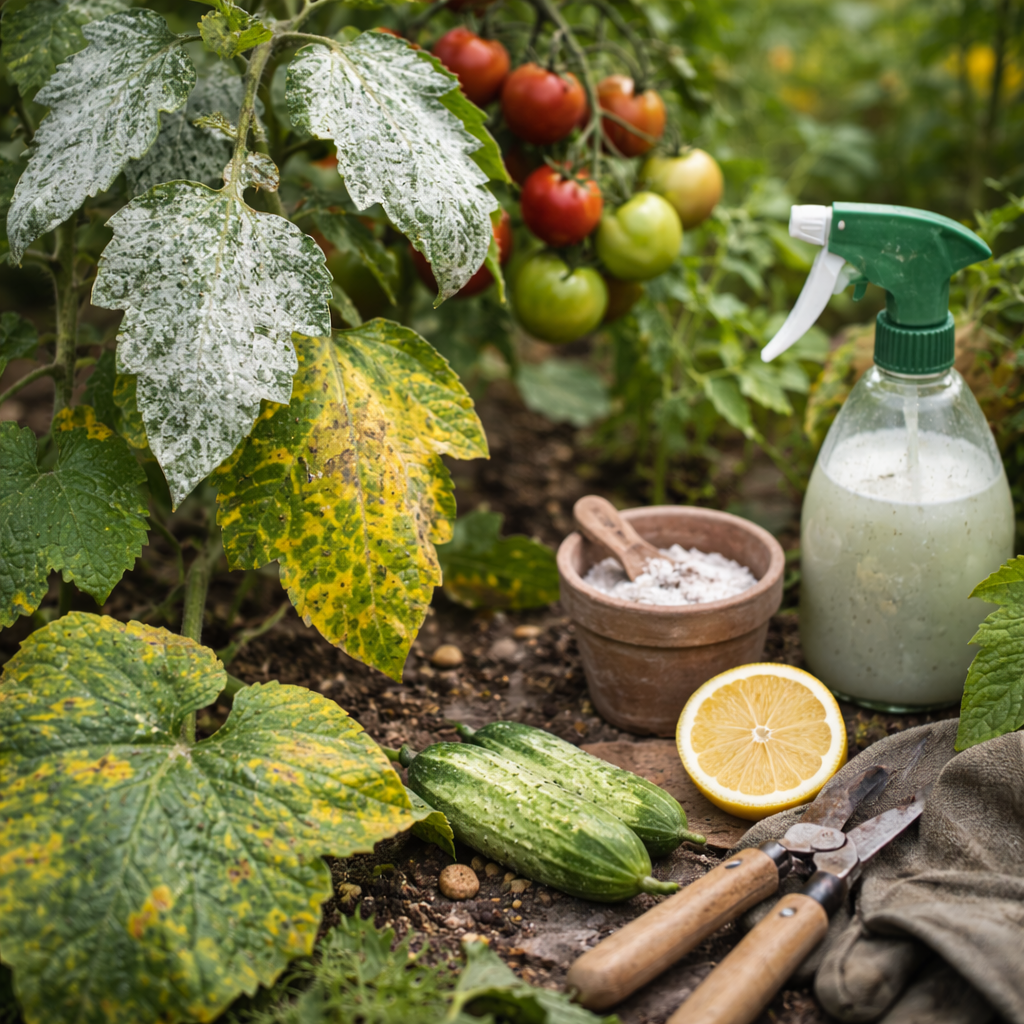
13. Powdery Mildew
White coating across leaves spreads quickly if ignored.
Using companion plants strategically can help prevent some of this. This Companion Plants Guide lays that out clearly.
14. Early Blight
Yellowing spots that spread upward.
15. Downy Mildew
Fast-moving and often mistaken for other issues.
👉 Downy Mildew Diagnosis & Treatment

Watering Problems
16. Overwatering
Roots can’t breathe in constantly wet soil.
👉 How To Rescue Over Watered Plants
17. Underwatering
Inconsistent watering stresses plants more than people realize.
👉 The Importance of Watering and Irrigation
Soil Problems
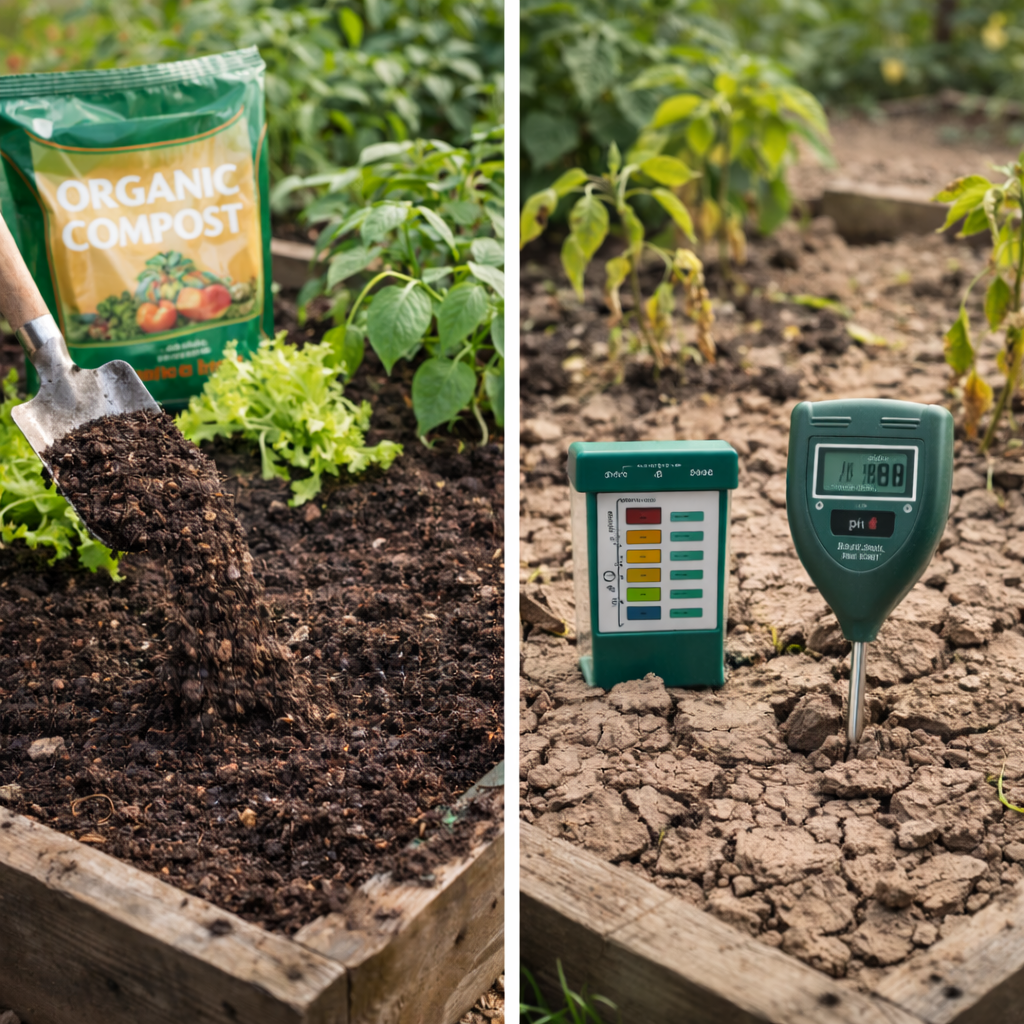
18. Poor Soil
If the soil isn’t right, nothing else will be either.
👉 Garden Soil: How To Build It Right
Adding organic matter makes a huge difference. These Composting Tips show how to do it simply.
19. Compacted Soil
Roots can’t spread, so growth stalls.
👉 How to Amend Raised Garden Bed Soil
Planting Problems
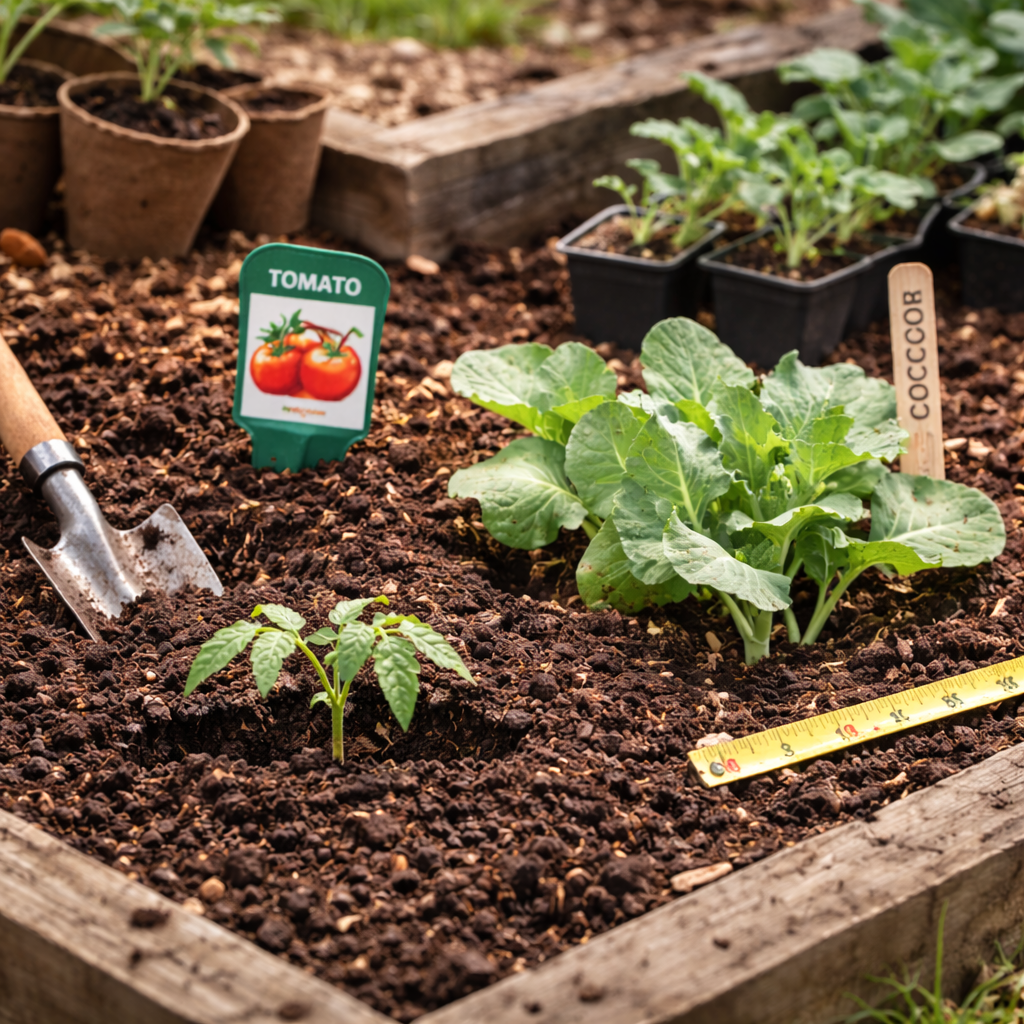
20. Wrong Planting Time
Timing can make or break a season.
Using a Seasonal Planting Chart takes the guesswork out of it.
21. Plants Too Close Together
Crowding reduces airflow and growth.
👉 7 Raised Bed Gardening Mistakes
22. Bad Layout
A messy layout causes ongoing problems all season.
Planning ahead saves a lot of frustration. The Plot, Plan, & Plant Planner helps map everything out clearly.
Production Problems
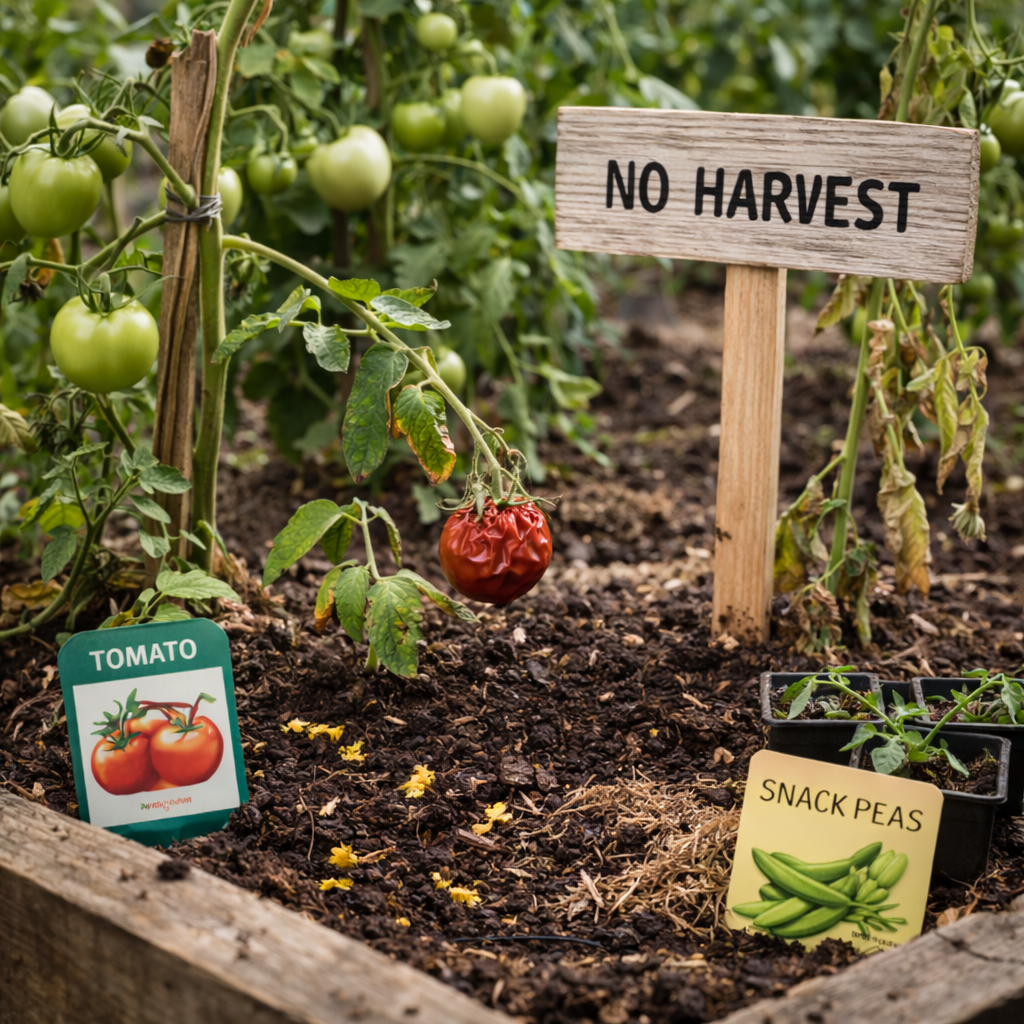
23. No Vegetables
Lots of leaves… no harvest.
👉 Why Some Gardens Thrive While Others Struggle
24. Flowers Drop Off
Usually heat or pollination issues.
25. Small Harvest
Plants are producing, just not well.
26. Blossom End Rot
Rotting bottoms on tomatoes and peppers.
27. Everything Looks Bad
This is the moment most people start guessing.
That’s where things get worse.
If you want a faster way to figure it out, the Common Gardening Troubleshooting Guide walks through symptoms in plain English.
And the Garden Problem Solver helps match exactly what you’re seeing to the right fix.
What To Do Next
Don’t try to fix everything at once.
That’s where most gardens go sideways.
Find the one problem you’re seeing.
Fix that first.
Then move to the next.
That’s how you get a struggling garden back on track without making it worse.
🛒 Shop My Favorite Gardening Finds
Looking for the products and tools mentioned in my blog posts and YouTube Gardening videos?
Visit my Amazon shop to see everything in one place.
Shopping there is free and the site gets a percentage of sales. Thanks!


Leave a Reply