You planted the seeds.
You watered them.
You put the trays under the lights.
And now you keep checking the soil.
Still nothing.
No tiny sprouts.
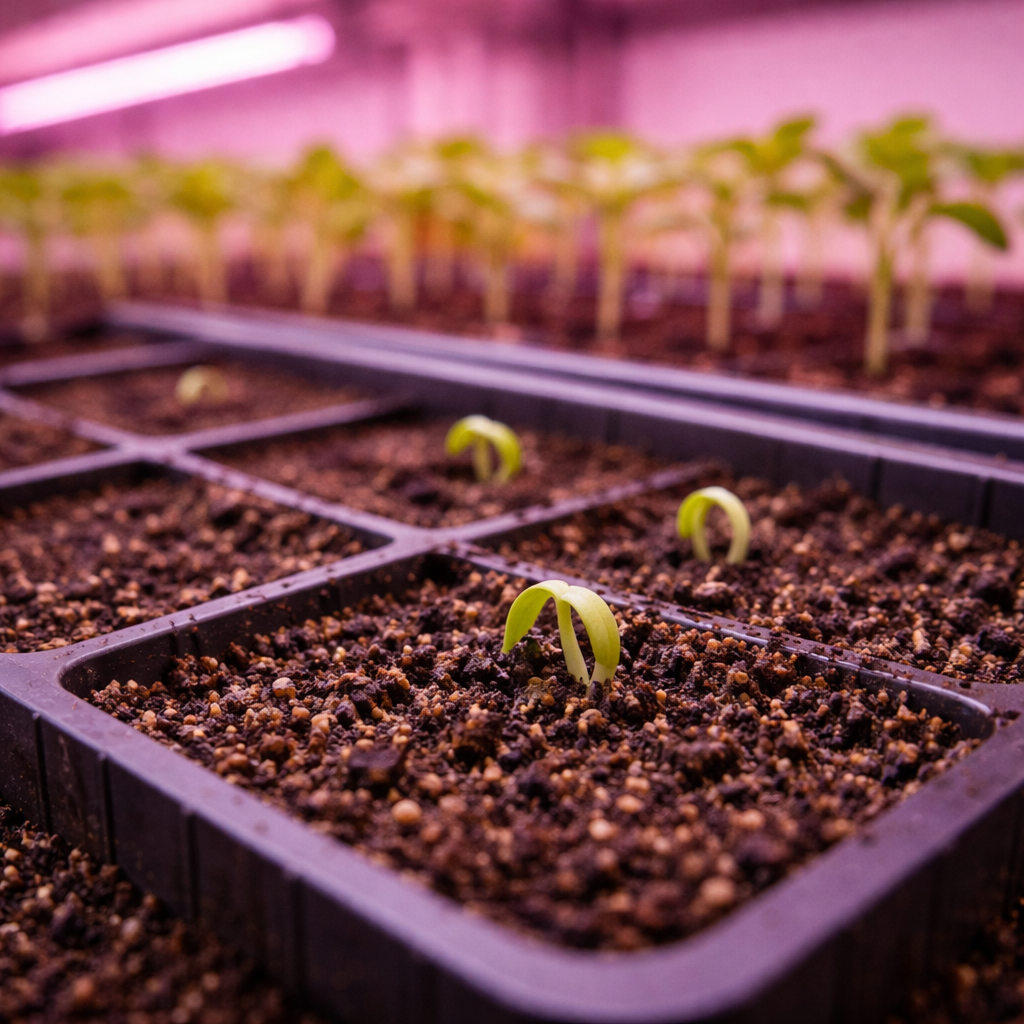
No little green loops pushing up through the soil.
Just dirt staring back at you.
7 Reasons Your Seeds Aren’t Germinating (And How to Fix It)
If you’ve ever stood there poking the soil wondering if the seeds are even alive… you’re not alone.
Most of the time when seeds don’t sprout, it isn’t the seeds at all. It’s one small part of the setup that’s off.
The good news is once you know what to look for, it’s usually an easy fix.
1. The Soil Temperature Is Too Cold
This is probably the #1 reason seeds refuse to sprout.
Most seeds need warm soil to germinate. If the soil is too cold, the seeds will just sit there and wait.
They aren’t dead – they’re just stalled.
For example:
If seeds are started indoors in a cool room, the soil may never warm up enough for germination.
How to fix it
Move your seed trays to a warmer location or use a seedling heat mat under the tray. Even a few degrees warmer can make a big difference.
If you want a quick reference for ideal germination temperatures, download the Seed Germination Temperature Chart so you know exactly what temperature your seeds prefer.
2. The Soil Is Too Wet
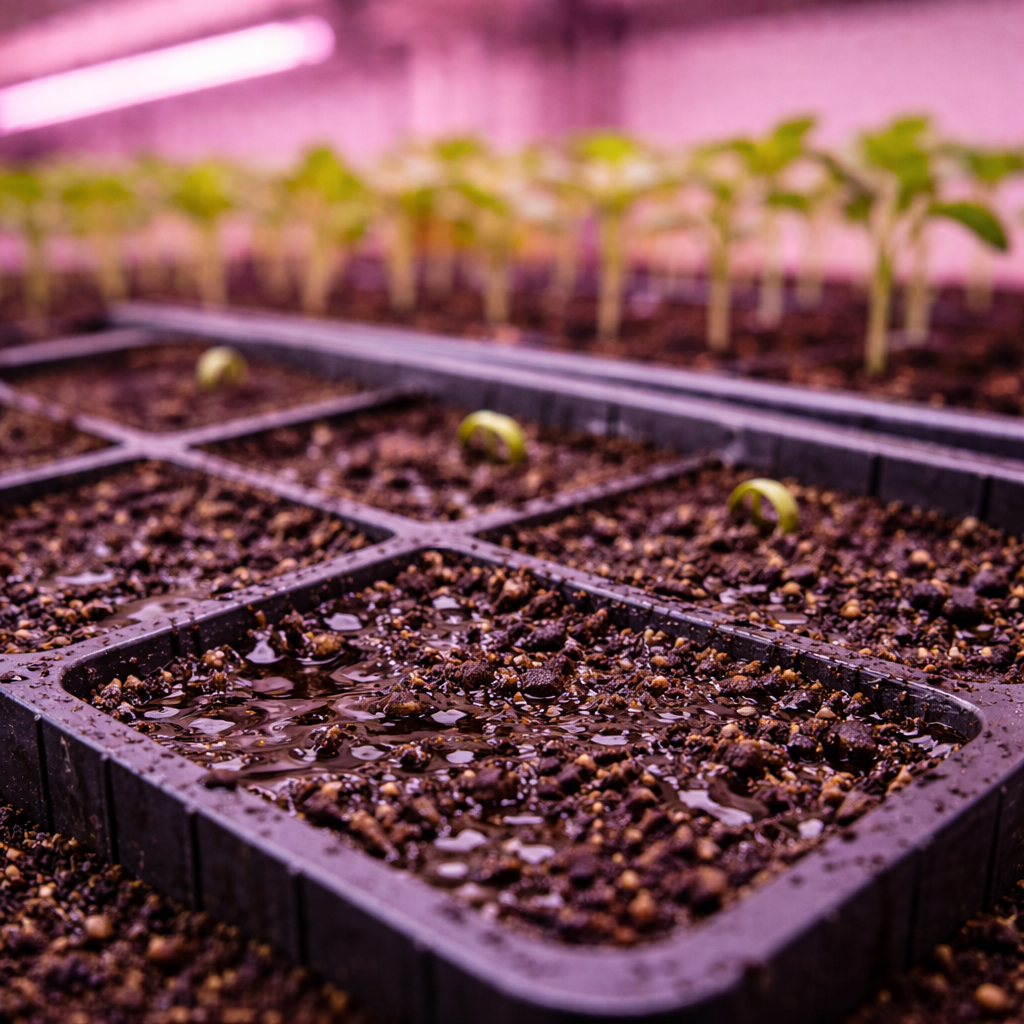
Seeds need moisture to germinate, but constantly soggy soil can actually stop the process.
When soil stays too wet:
- seeds may rot
- oxygen can’t reach the seed
- fungal problems develop
These same conditions are what cause damping off, where seedlings collapse right at the soil line.
If you’ve ever seen seedlings suddenly fall over overnight, this article explains exactly what’s happening:
Why Seedlings Suddenly Fall Over (Damping Off) and How to Stop It
How to fix it
The soil should feel lightly moist, not soaked.
Water enough to dampen the soil, then allow the surface to dry slightly before watering again.
3. The Soil Is Too Dry
Seeds that dry out during germination may stop growing completely.
Seeds absorb water to start the germination process. Without consistent moisture, that process stalls.
How to fix it
Keep the soil evenly moist during germination.
Many gardeners use humidity domes to help maintain moisture levels – just remember to remove the dome once seedlings appear.
4. The Seeds Were Planted Too Deep
Tiny seeds can’t push through a thick layer of soil.
If they’re buried too deep, they may germinate but never reach the surface.
A simple rule most gardeners use is this:
Seeds should be planted about twice as deep as the seed size.
Some seeds – like lettuce or basil – actually need light to germinate and should barely be covered or simply pressed into the soil surface.
How to fix it
Check the seed packet for planting depth instructions.
If you’re not sure, it’s usually better to plant a little too shallow rather than too deep.
5. The Seeds Are Too Old
Seeds don’t last forever.
Some stay viable for years, while others lose their ability to sprout fairly quickly.
Typical seed life:
- Tomatoes: 4–5 years
- Cucumbers: 4–5 years
- Peppers: 2–3 years
- Onions: 1–2 years
If seeds have been stored in warm or humid conditions, their viability may drop even faster.
How to fix it
Use fresh seeds when possible and store seed packets in a cool, dry place.
If you’re unsure about older seeds, plant a few extra to increase the odds that some will sprout.
6. The Seeds Need Light to Germinate
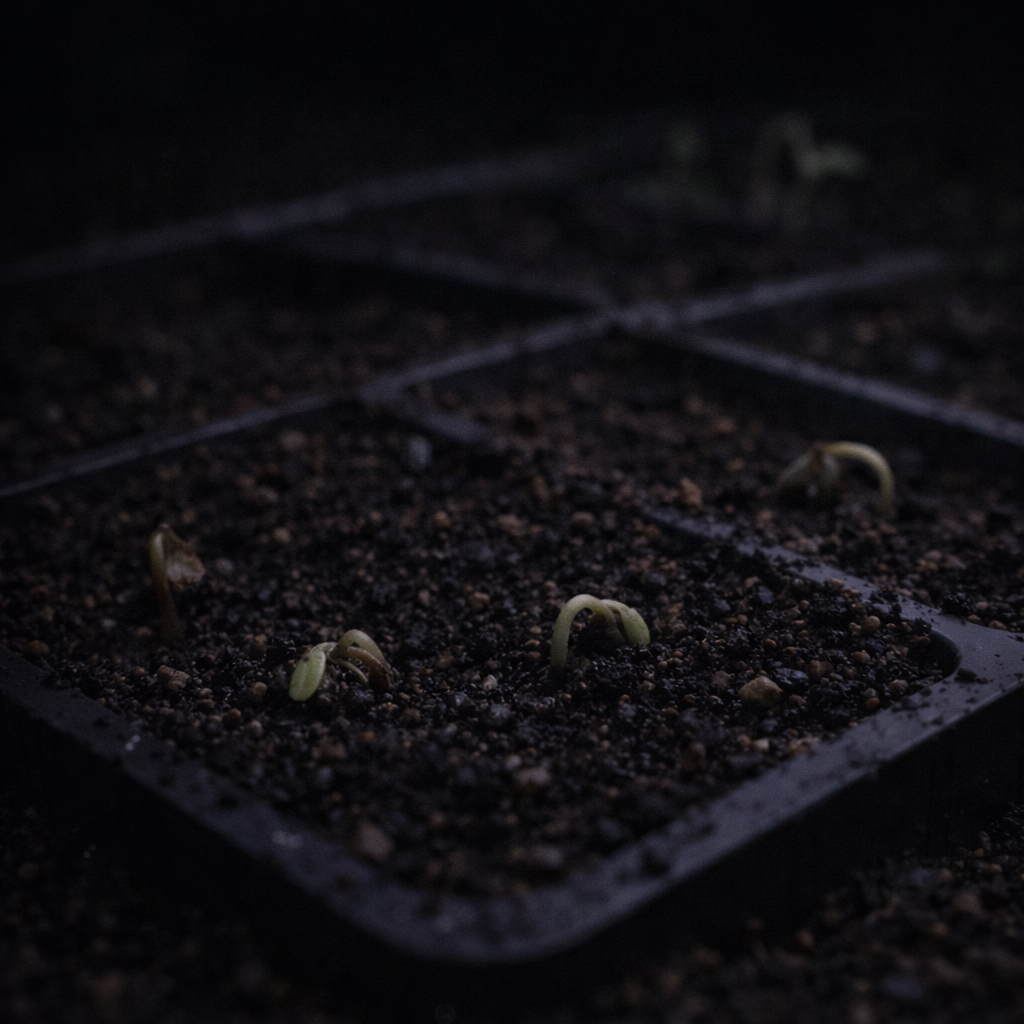
Some seeds actually require light in order to sprout.
If they’re buried under soil, they simply won’t germinate.
Seeds that often need light include:
- lettuce
- basil
- petunias
- snapdragons
How to fix it
Instead of burying these seeds, gently press them onto the soil surface and mist them with water.
7. The Seeds Just Need More Time
Some seeds germinate quickly.
Others take longer.
Peppers, parsley, and some herbs can easily take two to three weeks before anything appears.
A lot of gardeners replant too soon and end up with two batches of seedlings growing in the same tray.
How to fix it
Always check the germination time listed on the seed packet before assuming the seeds failed.
Sometimes the best solution really is just patience.
When Seeds Still Won’t Sprout
If seeds refuse to germinate after several attempts, it usually means something in the setup needs adjusting.
Temperature, moisture, airflow, and planting depth all play a role in whether seeds sprout successfully.
Once seedlings do emerge, other problems can show up too – like tall, floppy seedlings caused by lighting issues.
If that’s happening to your plants, this guide explains the most common causes:
Why Your Seedlings Get Tall and Floppy (Leggy Seedlings)
And if you’re trying to figure out the right time to plant seeds indoors, this guide will help you plan it:
How to Get Better Germination Results
Healthy seedlings usually come from trays that have:
- proper soil temperature
- consistent moisture
- correct planting depth
- gentle airflow
- fresh seeds
When those basics are in place, germination becomes much more reliable.
If seeds aren’t sprouting, seedlings are falling over, or plants are growing weak and leggy, the problem usually comes down to one of a few common setup mistakes.
The Seed Starting Emergency Fix Guide walks through the most common seed-starting problems and shows you exactly how to correct them before you lose your seedlings.
Seed Germination FAQ
Why are my seeds not germinating even though I watered them?
Too much water can actually stop germination. Seeds need moisture, but soggy soil prevents oxygen from reaching the seed and can cause rot.
How long should I wait for seeds to germinate?
It depends on the plant. Some seeds sprout in 3–5 days, while others can take two weeks or longer. Always check the germination timeline on the seed packet.
Can seeds germinate without light?
Many seeds germinate underground and do not need light. However, some seeds – like lettuce and basil – require light and should only be pressed onto the soil surface.
Why do some seeds sprout and others don’t in the same tray?
Small differences in moisture, soil temperature, planting depth, or seed quality can cause uneven germination.
What temperature do most seeds need to germinate?
Most garden seeds germinate best between 65°F and 80°F, though some plants prefer warmer conditions.
🛒 Shop My Favorite Gardening Finds
Looking for the products and tools mentioned in my blog posts and YouTube Gardening videos?
Visit my Amazon shop to see everything in one place.
Shopping there is free and the site gets a percentage of sales. Thanks!


Leave a Reply