Everything looks right.
The plants are growing.
The leaves look healthy.
Flowers start showing up.
And then… nothing.
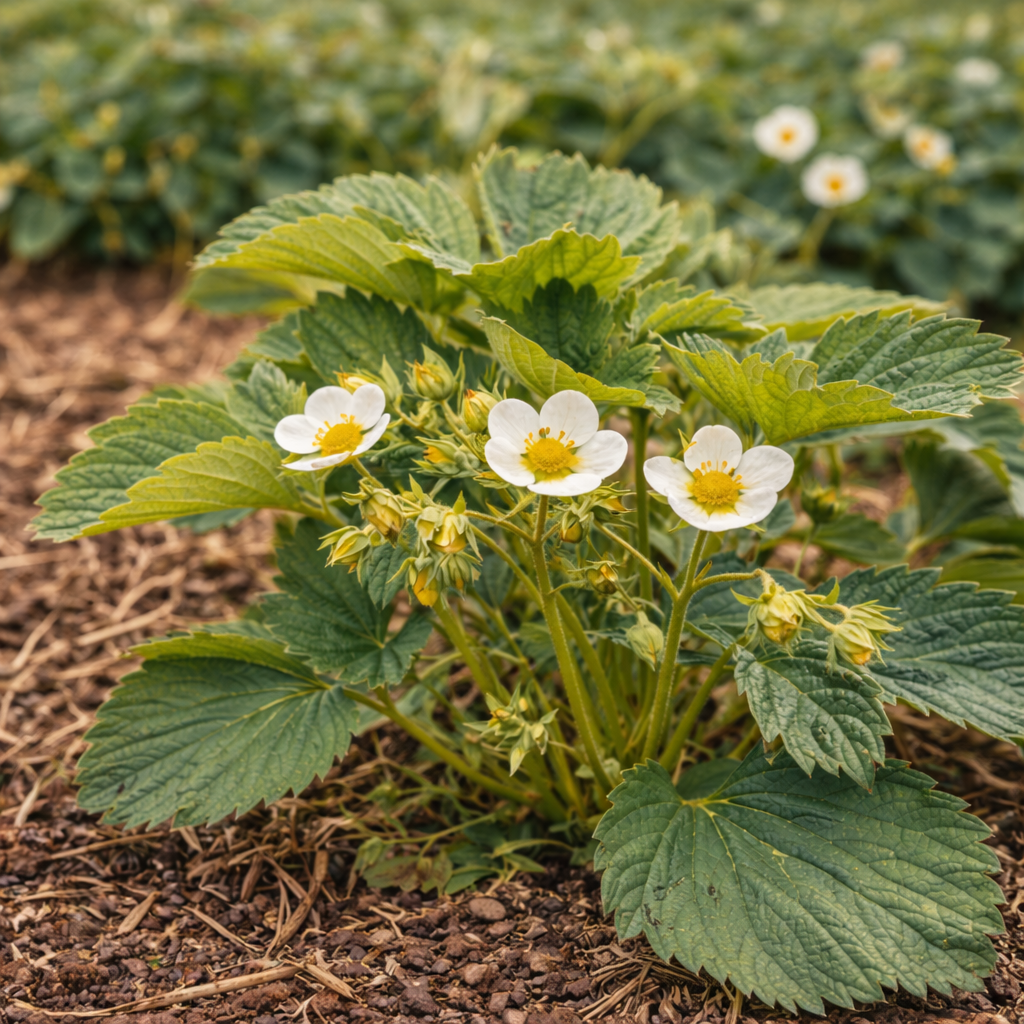
No tomatoes.
No peppers.
No cucumbers.
Just flowers that show up and disappear like they were never there.
This is one of the most frustrating stages in gardening – and it happens all the time.
Here’s what’s actually going on.
The Truth About Flowers and Fruit
Flowers are just step one.
If everything works correctly, those flowers turn into vegetables.
If something is off – even slightly – the plant will drop the flowers and move on.
That’s why it feels like everything suddenly stops.
1. Lack of Pollination
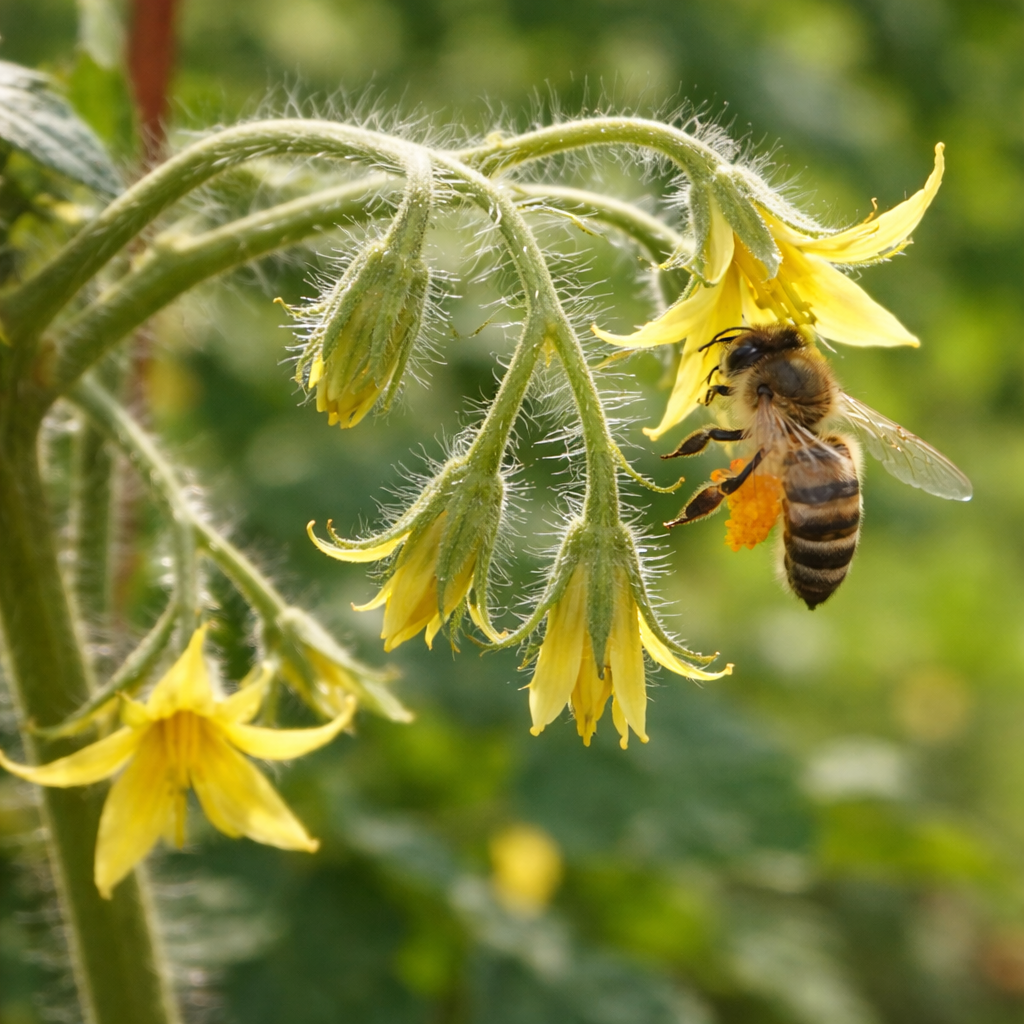
This is the most common reason.
Flowers need to be pollinated to turn into fruit. No pollination = no vegetables.
This happens when:
- There aren’t enough bees or pollinators
- It’s too windy or too rainy
- Plants are spaced too far apart
- You’re growing in containers or isolated areas
What to do:
- Gently shake flowering plants (especially tomatoes)
- Use a small brush to transfer pollen
- Plant flowers nearby to attract pollinators
2. Too Much Nitrogen
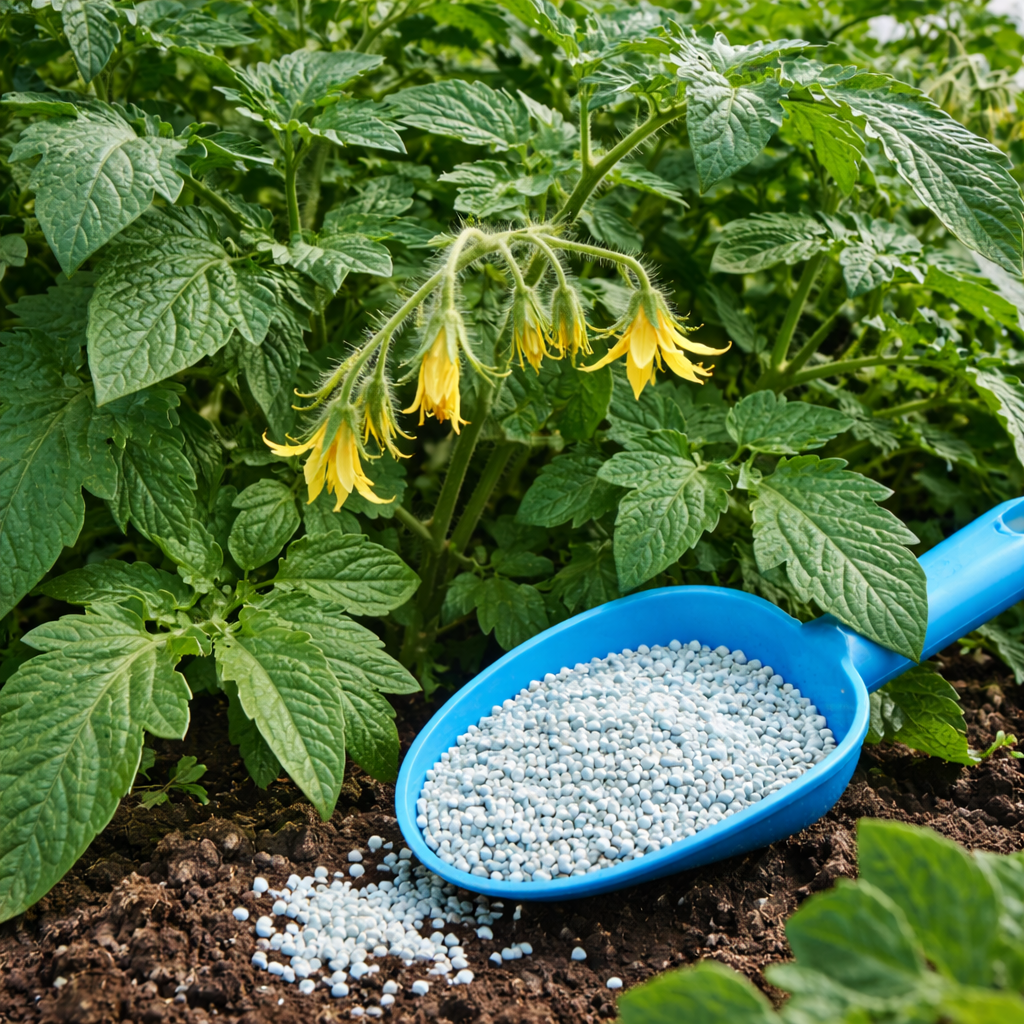
This one tricks a lot of people.
Your plants look amazing – big, green, full.
But they won’t produce.
That’s because too much nitrogen tells the plant:
Grow leaves, not fruit.
What to look for:
- Lots of leafy growth
- Few or no fruits forming
- Flowers dropping off early
What to do:
- Stop high-nitrogen fertilizers
- Switch to a balanced or phosphorus-heavy fertilizer
Remember on the fertilizer the NPK numbers stand for: Nitrogen (N), Phosphorus (P), Potassium (K)
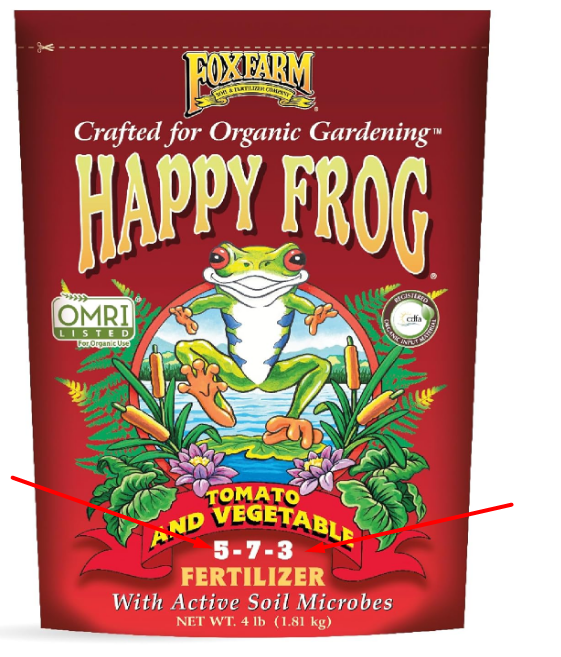
In this one it has 5% Nitrogen – 7% Phosphorus – 3% Potassium
Nitrogen is for leafy growth
Phosphorus is for roots and flowers
Potassium is for overall plant health and diseases resistance
Once the plant has good healthy leaf growth – you can cut back on the nitrogen and hone in on the other 2 for good flower and fruit production.
3. Heat Stress
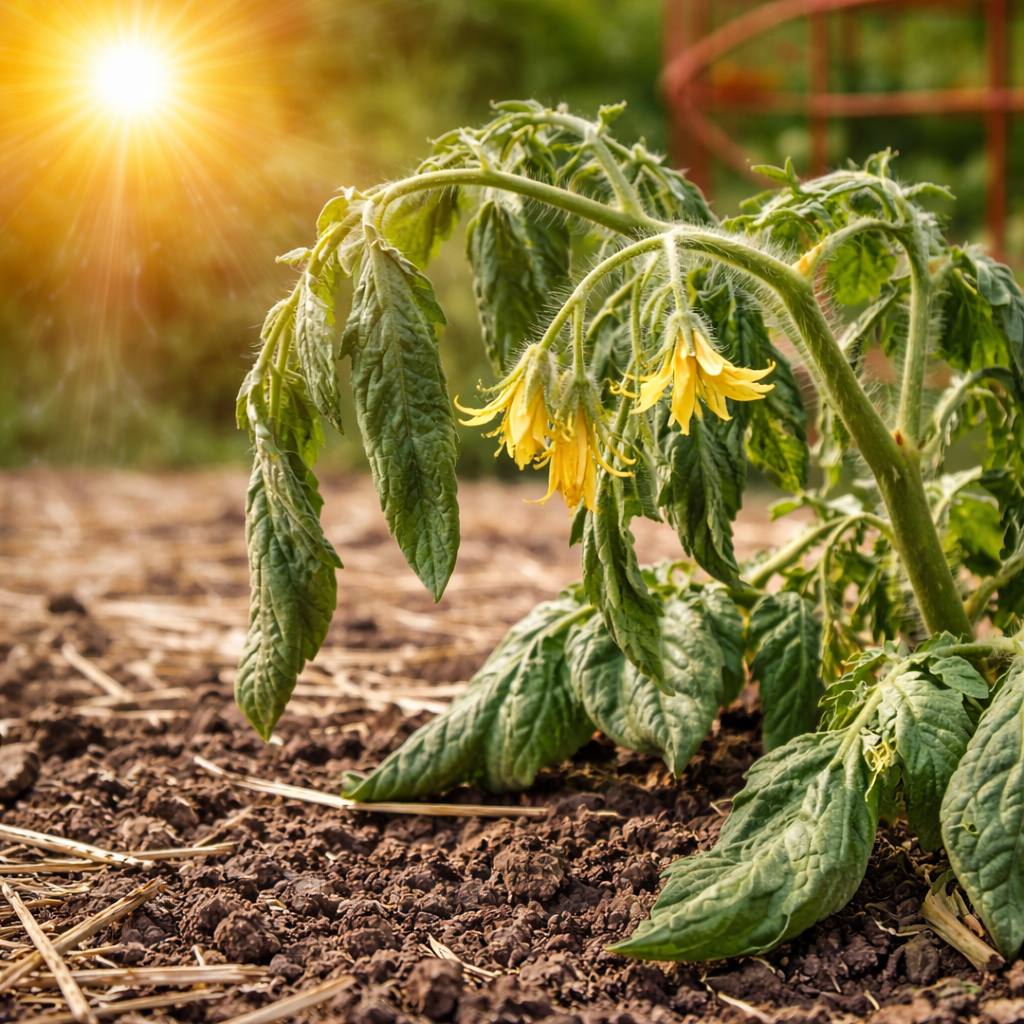
If you’re in a hot climate, this one hits hard.
When temperatures climb too high, plants shut down production to survive.
Common thresholds:
- Tomatoes: above 90°F daytime
- Peppers: above 95°F
- Night temps above 75°F can also stop fruiting
What happens:
- Flowers drop
- No fruit sets
- Growth slows or stalls
What to do:
- Add shade cloth during peak afternoon heat
- Water consistently
- Accept that some plants will pause until temps drop (here in North Texas – I know mid to late summer my tomatoes will slow down and almost stop, but, if I keep them healthy they’ll produce well again in the fall.)
4. Inconsistent Watering
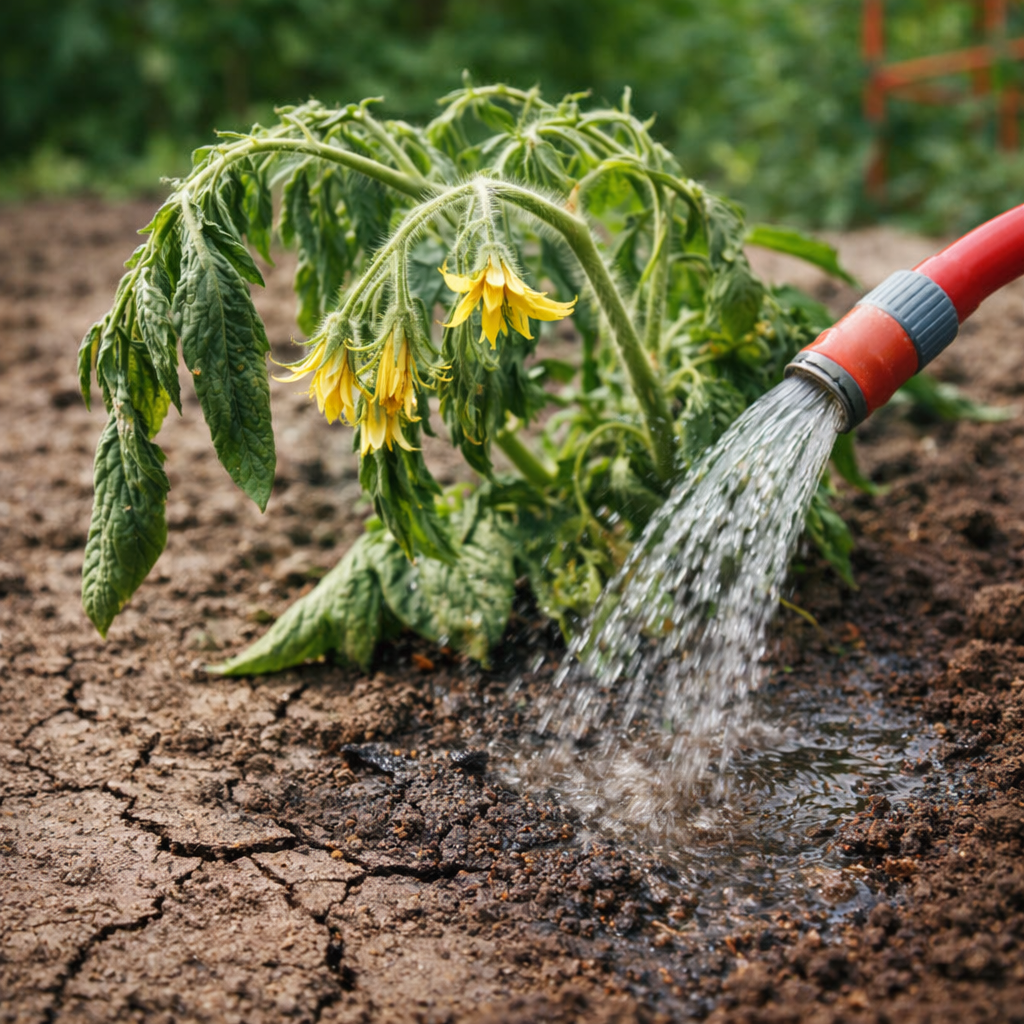
Plants don’t like guessing games.
If watering goes from dry to soaked to dry again, the plant treats it as stress.
And stressed plants don’t produce fruit.
Signs this is the issue:
- Flowers form but fall off
- Growth seems uneven
- Soil dries out too quickly between watering
What to do:
- Water deeply and consistently
- Use mulch to hold moisture
- Avoid letting soil completely dry out
5. General Plant Stress
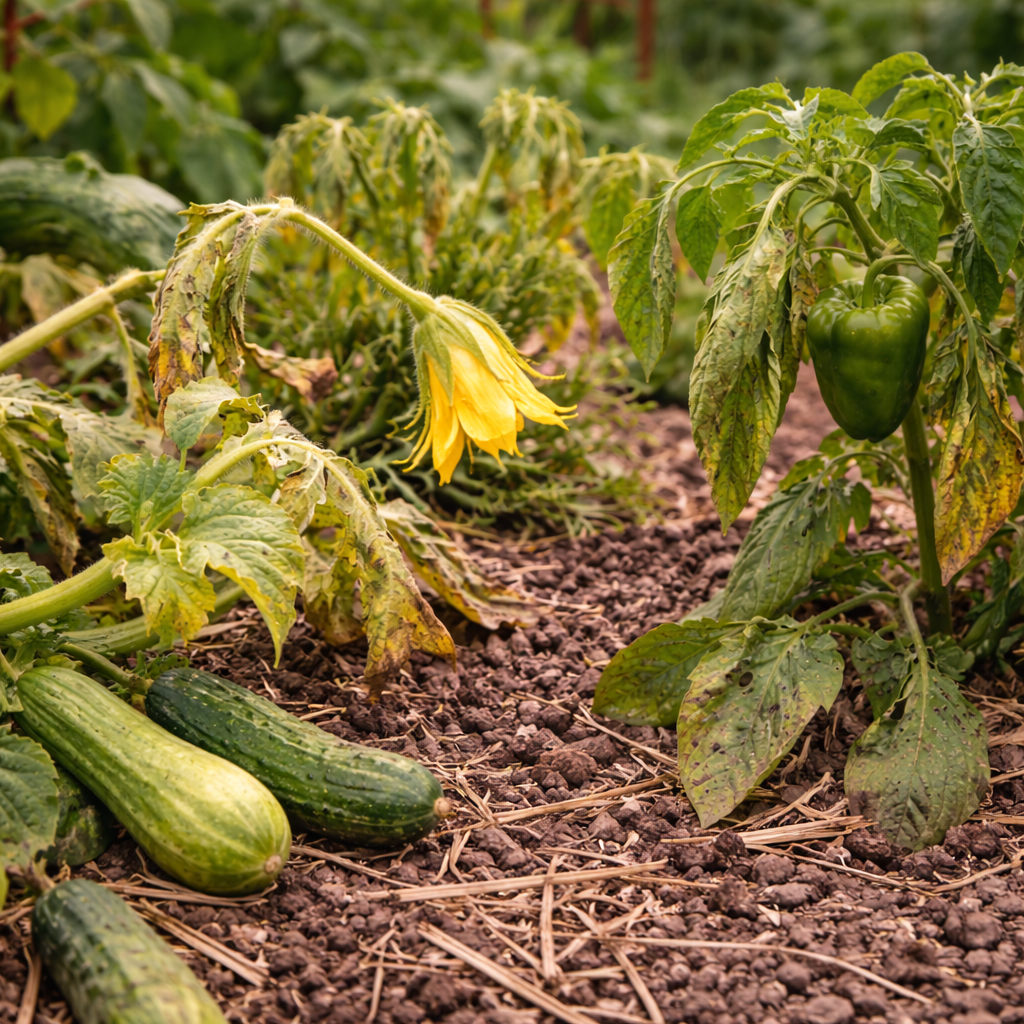
This is the catch-all most people overlook.
Anything that stresses the plant can cause flower drop:
- Transplant shock
- Pest damage
- Disease
- Root disturbance
Even small stress can trigger the plant to stop producing.
If you’re seeing other issues, start here:
👉 27 Vegetable Garden Problems That Ruin Gardens (And How to Fix Them)
When It’s Not Obvious
Sometimes everything looks fine but something small is off.
Leaves curling? That can affect production:
👉 Why Your Tomato Leaves Are Curling and What It Means
Peppers just sitting there doing nothing?
👉 Why Your Pepper Plants Aren’t Growing (Even Though They Look Healthy)
All of these issues connect back to one thing:
The plant isn’t in the right condition to produce.
The Quick Reality Check
If your plants have flowers but no vegetables, it’s almost always one of these:
- No pollination
- Too much nitrogen
- Too much heat
- Inconsistent watering
- Stress
Fix the condition and production usually starts.
Want the Fastest Way to Figure It Out?
Instead of guessing which one it is:
👉 Grab the Common Gardening Troubleshooting Guide
It walks through what to check first so you don’t waste weeks waiting.
Still Stuck?
If your plants look fine but still won’t produce, that’s when it gets frustrating fast.
It breaks things down step by step so you can pinpoint exactly what’s wrong and fix it quickly.
🛒 Shop My Favorite Gardening Finds
Looking for the products and tools mentioned in my blog posts and YouTube Gardening videos?
Visit my Amazon shop to see everything in one place.
Shopping there is free and the site gets a percentage of sales. Thanks!


Leave a Reply