When it comes to gardening, soil health is everything. We all know plants need soil, but have you ever thought about why healthy soil is so important for your garden’s success? Let’s dig into it (pun intended) and break it down.

The Science Behind Soil and How to Improve It
Why Soil Health Matters
Soil is more than just a place for your plants to sit – it’s their home. It’s where they get their nutrients, water, and even air to grow.
Healthy soil is full of life – bacteria, fungi, and tiny critters that help plants thrive. Without good soil, your plants won’t be able to reach their full potential, no matter how much you water or fertilize them.
When your soil is healthy, it makes it easier for plants to get the nutrients they need and hold onto water longer. Plus, strong soil means stronger roots, which makes plants more resistant to diseases and pests.
Basically, healthy soil means healthy plants, and healthy plants mean a happy garden!
The Science Behind Soil Health
Soil health is all about balance. The structure of your soil affects everything – how well it drains, how easily roots grow, and how it holds onto nutrients.
Good soil should be loose and crumbly, not compacted, so air can flow and roots can spread out. It also needs the right mix of sand, silt, and clay to keep everything in check.
But here’s the real magic: soil is full of tiny organisms like bacteria, fungi, and worms. They break down organic material and turn it into nutrients that plants use.
Without them, plants wouldn’t be able to get all the nutrients they need. That’s why keeping your soil’s ecosystem healthy is key.
Adding compost, avoiding harsh chemicals, and making sure those tiny microbes stay happy will keep everything running smoothly.
How to Improve Your Soil Health
Now that we know why soil health is so important, let’s talk about how to make it even better.
Here are a few simple ways to improve your soil:
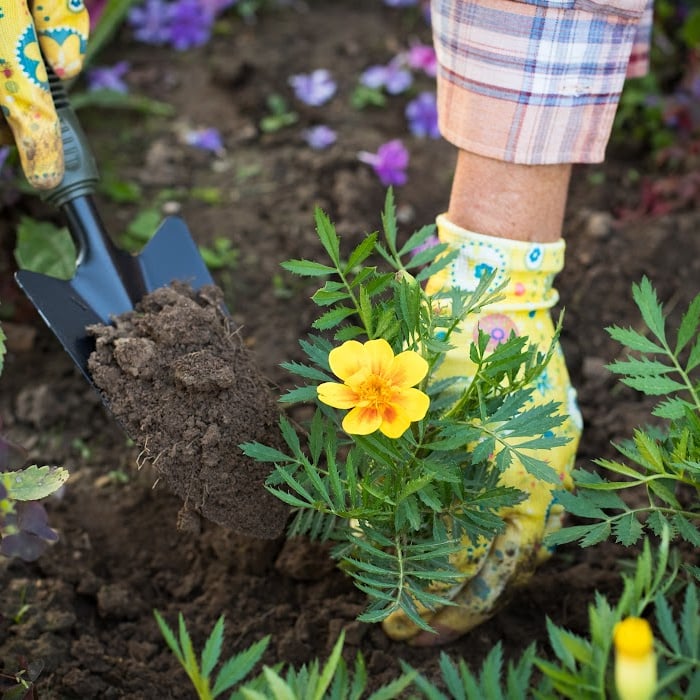
- Add Organic Matter: Compost, mulch, or even grass clippings are your best friends. They help keep the soil airy and full of nutrients, plus they feed those helpful microbes living in the soil.
- Test Your Soil: A soil test can tell you what’s going on in your garden. It’ll let you know if your soil needs a little more of something like nitrogen or if it’s time to balance the pH with some lime.
- Aerate the Soil: Compacted soil can be a problem for plant roots. If the soil feels dense, try aerating it with a garden fork or aerator. This lets water, air, and nutrients reach the roots more easily.
- Don’t Over-Water: Over-watering can lead to root rot. Only water when the soil feels dry to the touch, and make sure your garden beds drain well.
- Rotate Your Crops: If you plant the same thing in the same spot every year, the soil can get worn out. Rotate what you plant to give your soil a break and keep things balanced.
- Use Natural Fertilizers: Organic fertilizers like compost or fish emulsion feed your plants slowly and improve soil over time, unlike synthetic fertilizers, which can hurt the soil’s natural ecosystem.
Want to give your plants a little extra help below the soil? I recently took a closer look at what mycorrhizal fungi are, how they work with plant roots, and whether your garden really needs them. It’s a simple way to understand what’s happening underground and when these beneficial fungi may actually be useful.
Wrapping It Up
So, soil health isn’t just something to think about – it’s the backbone of your garden. By paying attention to your soil and making simple improvements, you’ll set your plants up for success.
Healthy soil leads to happy plants, and happy plants make for a thriving garden. It’s all about balance – take care of your soil, and it’ll take care of your garden.
🛒 Shop My Favorite Gardening Finds
Looking for the products and tools mentioned in my blog posts and YouTube Gardening videos?
Visit my Amazon shop to see everything in one place.
Shopping there is free and the site gets a percentage of sales. Thanks!


Leave a Reply