Broccoli is actually a member of the cabbage family. It’s versatile in cooking and nutritious. Broccoli is rich in vitamins A, C, and K, as well as fiber and antioxidants.
Today let’s look at the best tips for growing broccoli from seed to harvest.

Growing Broccoli: A Step-by-Step Guide to Cultivating Nutrient-Rich Greens
Growing your own broccoli from seed to harvest can be a rewarding experience, providing you with a fresh and healthy addition to your meals.
Whether you’re a beginner or an experienced gardener, today we’ll walk you through the step-by-step process of growing broccoli, ensuring a successful and bountiful harvest.
You Might Also Like: Seasonal Vegetable Planting Includes Printable Chart

Step 1: Planning and Preparation
Before you begin, choosing the right variety of broccoli that works well in your climate and with your family’s preferences is important.
Broccoli can be grown in both spring and fall, but specific varieties are better suited for one season over the other.
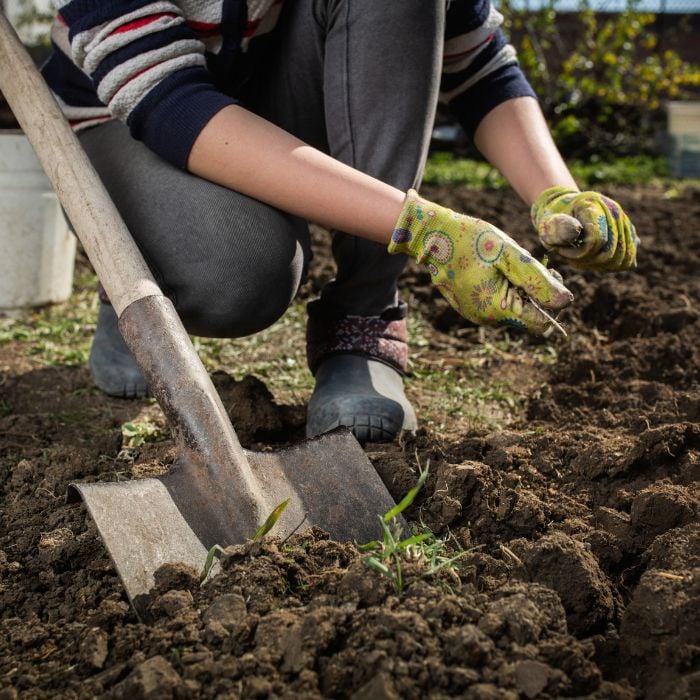
Once you’ve selected the variety you want to grow, prepare a well-draining garden bed or container with rich, fertile soil. Broccoli prefers slightly acidic soil with a pH between 6.0 and 7.0.
Step 2: Starting from Seed
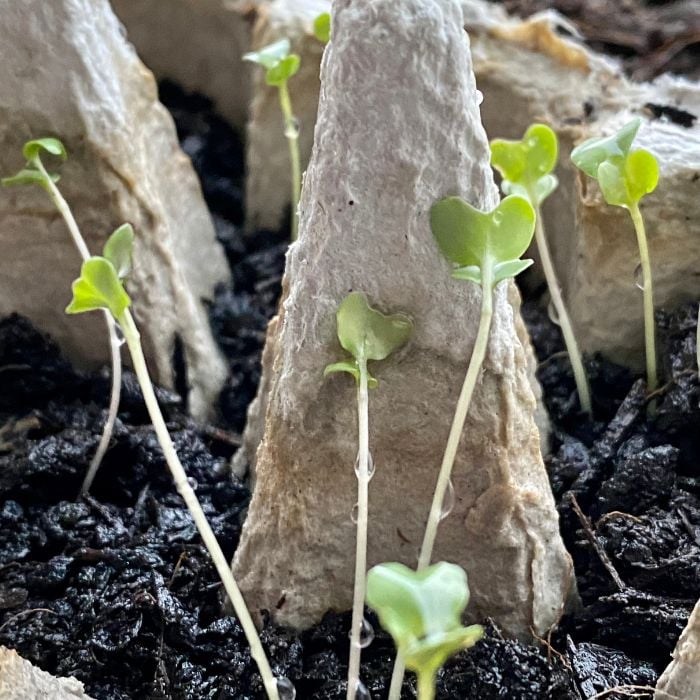
Broccoli is typically started from seeds indoors about 6-8 weeks before the last frost date. Fill seed trays or small pots with seed-starting mix and plant the seeds about half an inch deep.
Keep the soil consistently moist and provide sufficient light, either from a sunny windowsill or grow lights. Once the seedlings have true leaves, they’re ready to be transplanted.

Step 3: Transplanting Seedlings
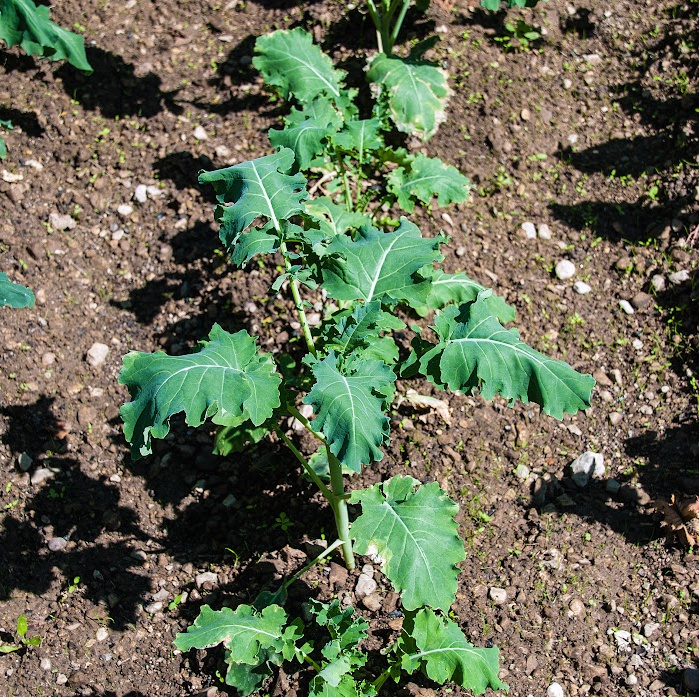
To start broccoli from seed and ensure a successful start: when the weather and soil have warmed up, usually a week or two before the last frost date, you can transplant the seedlings into the garden bed or larger containers.
Always make sure that the soil is well-prepared with organic matter and has good drainage.
Space the seedlings about 18-24 inches apart, leaving enough room for the plants to grow and spread. Water the seedlings thoroughly after transplanting to help them settle in well.
Step 4: Watering and Feeding
Broccoli plants require consistent moisture throughout their growing cycle. Water them deeply, providing about 1-1.5 inches of water per week, either through rainfall or irrigation.
It’s best to water at the base of the plant to avoid wetting the foliage, which can lead to disease.
Additionally, fertilize the plants every 3-4 weeks with a balanced organic fertilizer to provide them with the necessary nutrients.
You Might Also Like: The Importance of Watering and Irrigation for Your Vegetable Garden

Step 5: Maintenance and Broccoli Care Instructions
To promote healthy growth, keep the garden bed free from weeds that can compete for nutrients and water. Mulching around the plants can help suppress weeds while retaining soil moisture.
As the plants grow, provide support with stakes or cages to prevent them from toppling over during strong winds or heavy rain.
Monitor the plants regularly for pests, such as aphids or cabbage worms, and take appropriate measures to control them.
Step 6: Harvesting
The time to harvest broccoli depends on the variety you’ve chosen and the weather conditions. Typically, broccoli heads are ready for harvest when they reach a compact size, with tight, green florets.
Cut the central head just above the first set of leaves, using a sharp knife.
This encourages smaller side shoots to grow, extending your harvest. Harvesting in the morning when the temperatures are cool is when you’ll get the best flavor and texture.

Growing broccoli from seed to harvest is easy and provides food a good bit of food for your table. By following these steps and providing the right conditions, you can enjoy a bumper crop of fresh, nutritious broccoli.
Remember to choose the appropriate variety, prepare the soil well, provide adequate water and nutrients, and take care of your plants throughout their growth.

With patience and dedication, you’ll soon be savoring the flavors of your homegrown broccoli in various delicious recipes. Happy gardening!
🛒 Shop My Favorite Gardening Finds
Looking for the products and tools mentioned in my blog posts and YouTube Gardening videos?
Visit my Amazon shop to see everything in one place.
Shopping there is free and the site gets a percentage of sales. Thanks!


Leave a Reply